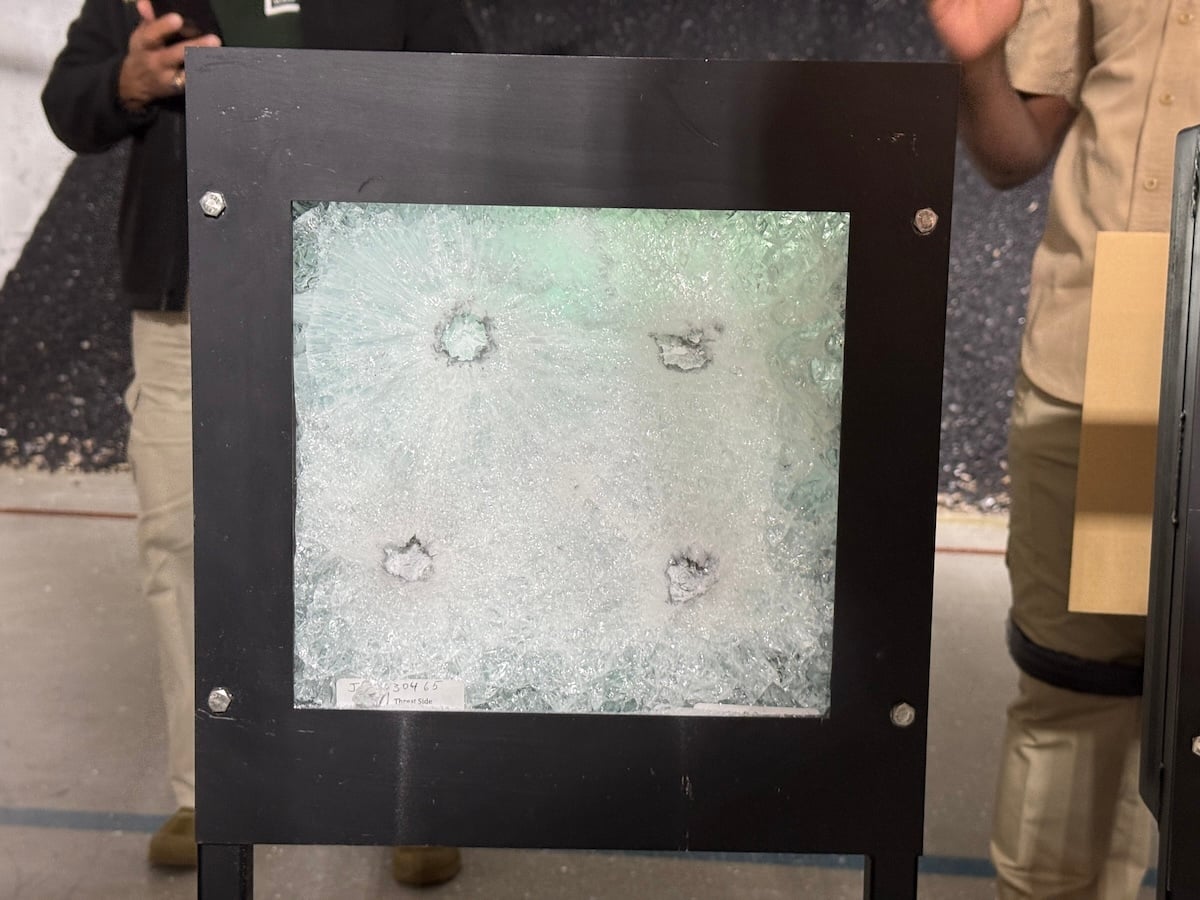
If you want to get technical, the strongest bulletproof glass is UL 752 Level 10 bulletproof glass, the highest rating on the standard scale. It’s engineered to stop a single .50 caliber BMG rifle round.
However, these rifles aren’t common, and this level of protection isn’t feasible or necessary for most organizations.
The strongest bulletproof glass most buildings will ever need is UL 752 Level 8 glass-clad polycarbonate. And even then, most facilities don't need Level 8.
Understanding where you fall on that spectrum starts with knowing how ballistic glass is rated, what the materials are made of, and how thickness, weight, and construction interact with your building and your threat profile.
How Is Bulletproof Glass Rated?
While the term ‘bulletproof’ is common, our industry prefers ‘bullet-resistant.’
This reflects the fact that no ballistic glass is completely impenetrable to every possible threat. The UL 752 ratings tell you which threats a given product has been tested to withstand.
The UL 752 standard (11th edition) classifies bullet-resistant materials into 10 levels, each defined by the caliber and number of shots the material must stop.
We typically only refer to the eight levels of bullet-resistance because these are most commonly used in commercial buildings and even most military applications.
There are some extreme scenarios where Level 9 or 10 might be appropriate but again, this is rare.
Levels 1-3: Protection From Handguns
Levels 1-3 address threats from common handguns, including a 9mm pistol, a .357 Magnum, and .44 Magnum. These levels are typical for gas stations, convenience stores, or retail buildings where the most common threat is an armed robbery. We also regularly recommend Level 3 protection for schools.
Ballistic glazing designed to address these threats can be with layers of different types of materials, including laminated glass, acrylic, polycarbonate, or glass-clad polycarbonate.
Levels 4-8: Protection From Rifles
Level 4 ballistic glass is tested to withstand a single shot from a .50 caliber rifle, while Level 5 is tested to withstand a bullet from a 7.62mm rifle. These higher levels are becoming more commonly used in government buildings and corporate offices where executive protection is a top priority.
Level 6 is tested to withstand five shots from a submachine gun, providing enhanced protection for higher-risk government and military applications. The materials used may vary but will be thicker and heavier than materials tested to Levels 1-3. Glass-clad polycarbonate is a popular material choice for these higher protection levels.
Higher levels of glazing become increasingly heavier and thicker.
For instance, Level 7 ballistic glass is tested against multiple shots from high-powered rifles, while Level 8 is capable of stopping five consecutive shots from a 7.62mm rifle.
This glazing is more than 2 ½ inches thick and can weigh more than 25 pounds per square foot.
As with any ballistic glass, it’s necessary to have framing tested to the same ballistic standards to support the additional weight and ensure the system performs as intended.
Levels 9 and 10: Rare, Specialized Applications
Level 9 and 10 materials are rarely specified in standard construction because the cost, weight, and structural reinforcement requirements make them impractical for most facilities. If your threat assessment reaches this level, you are almost certainly working with a government security agency that has a very specific procurement process.
How Is Bullet-Resistant Glass Made?
Not all ballistic glass is made the same way. Each material has different ballistic performance characteristics, weight profiles, and optical clarity properties.
Acrylic

Monolithic acrylic is the lightest and most economical option, typically used at Levels 1–3.
It offers good optical clarity but is vulnerable to scratching and crazing over time. Acrylic does not use polycarbonate layers or traditional laminated glass construction.
Polycarbonate
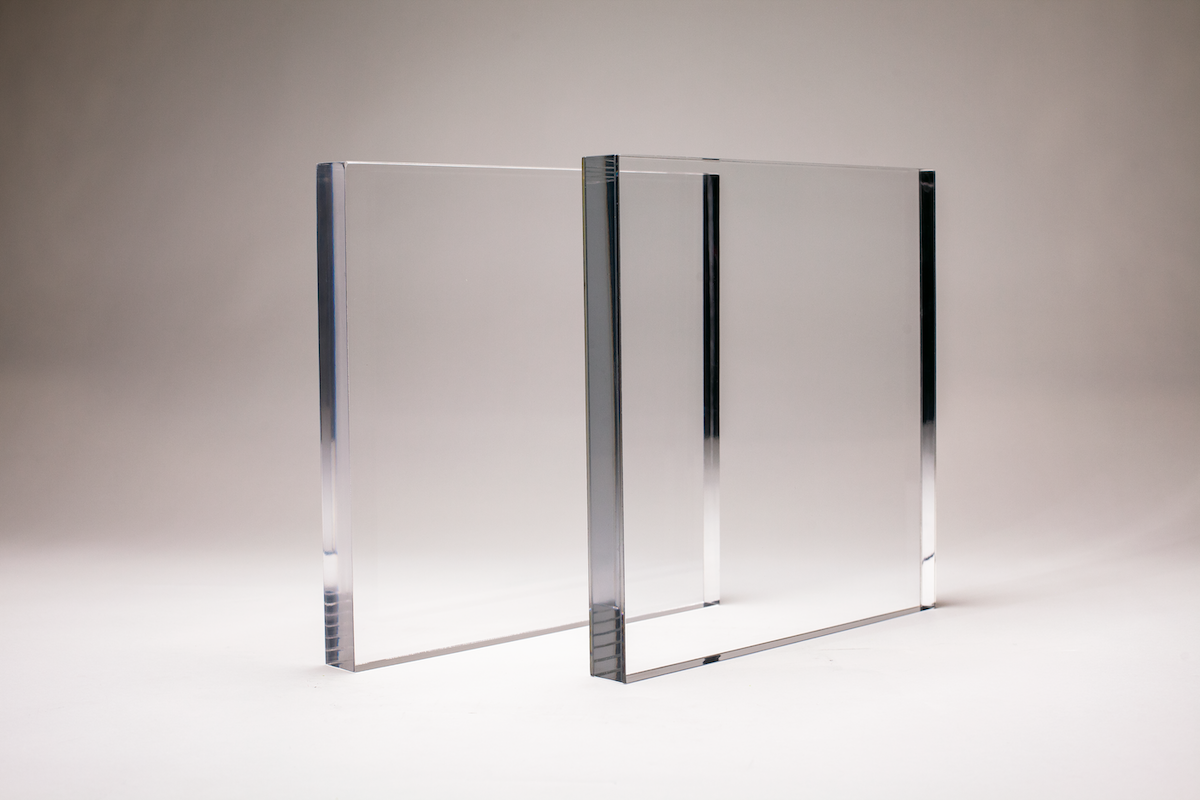
Polycarbonate is significantly stronger than acrylic and can be layered to achieve higher ballistic ratings. It is flexible and impact-resistant, but without a glass exterior, it can be more susceptible to surface scratching and environmental weathering.
Glass-Clad Polycarbonate: The Strongest Commercially Available Option

Glass-clad polycarbonate (GCP) is the material of choice for the highest levels of commercial ballistic protection.
GCP combines several layers of glass with one or more polycarbonate layers and protective interlayers. Those components are pressure-sealed and heated, fusing them into a single, dense composite product.
The glass layers disrupt an incoming bullet on impact.
The polycarbonate layers beneath flex to absorb and disperse the bullet's remaining energy, preventing penetration. The sticky interlayers hold everything together and capture fragments.
The result is a layered construction system that is more effective than any single material could be on its own.
GCP is rated at UL 752 Level 8 for maximum security. Some GCP is rated “no spall,” meaning glass fragments do not break off upon impact, which is a critical safety feature for areas where people tend to be very close to a window or door.
What Does Level 8 Ballistic Glass Look Like in the Real World?
.jpg?width=800&height=674&name=Panama-2025---Client-Level-8-Testing-3%20(1).jpg)
When specifying materials and levels, it’s important to consider what’s possible to design and install in a real building, especially once being retrofitted with physical security elements.
For instance, security directors contacted us to provide a high level of protection for one Central American government official. The project required custom doors, frames, and windows capable of stopping rifle fire from the ammunition common in that region while maintaining a discreet appearance.
Demonstrating how the material would perform in real scenarios and educating the customer was an important part of that process.
And it’s a reminder that protection is rarely as simple as adding glazing.
In most cases, it involves designing a complete system that includes the glazing, framing and any hardware or accessories working together.
Can Ballistic Glazing Be Removable?
Not every high-security scenario involves a permanent installation. Sometimes the threat relates to a specific event, such as a diplomatic meeting, and the location presents constraints.
Our team has installed removable ballistic glazing for high-ranking foreign dignitaries staying in historic buildings. In one example, the hotel suite could not be modified with any drills, screws, or fasteners, but the individual’s security team required rifle-rated protection across multiple windows.
Our experts visited the site and engineered a tension-bar support system that braced each ballistic panel within the window opening. Then we fabricated the laminated polycarbonate glazing at our facility in Michigan.
We installed the complete system two days before the official's arrival and removed every panel immediately after departure.
Watch this video to see a live-fire demonstration of different types of materials, including Level 8 glass-clad polycarbonate, withstanding bullets.
How Strong Are Ballistic Doors?
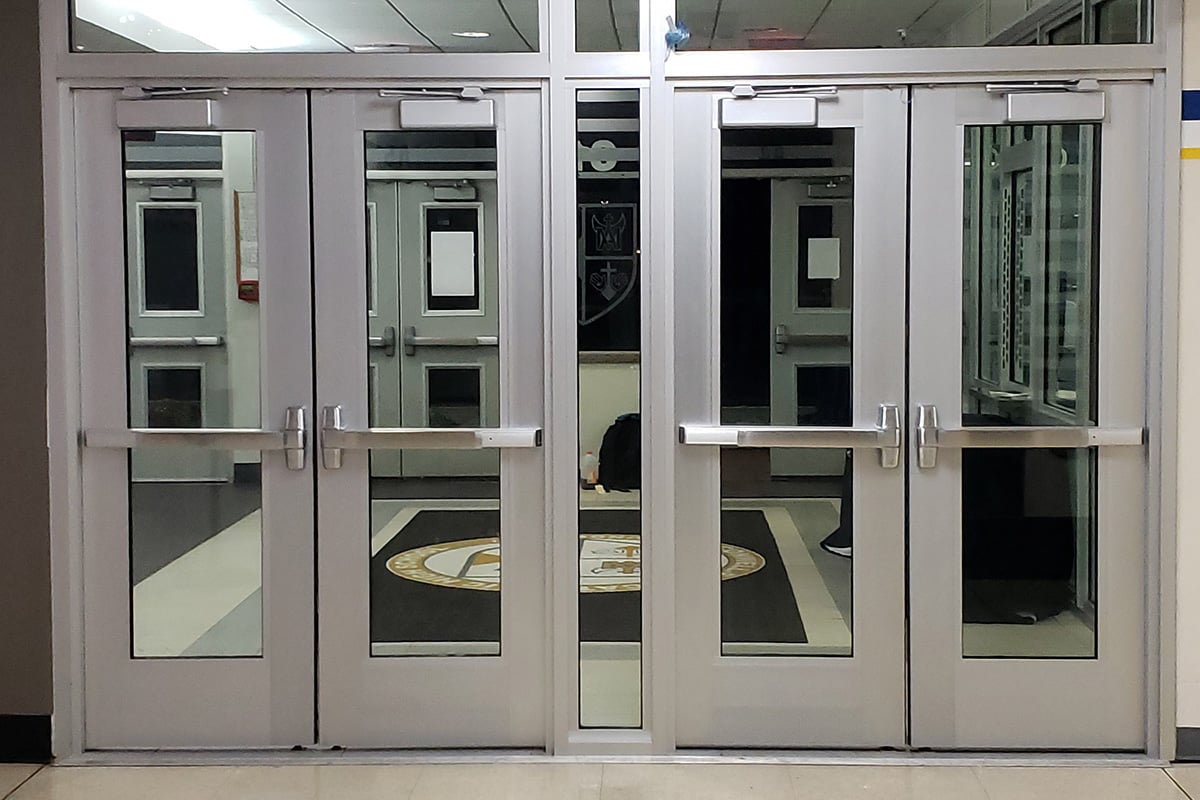
When people ask about the strongest bulletproof glass, they are often thinking about windows.
But the doors protecting those same spaces should meet the same threat level, and our team can engineer them to the highest protection levels, including Level 8.
These doors are typically constructed from steel, which offer the highest levels of ballistic resistance and can be paired with Level 8 GCP vision panels where sightlines matter.
Aluminum doors offer a lighter-weight alternative that still achieves high UL 752 ratings.
Both can be engineered to integrate with the surrounding ballistic frame and wall assembly, maintaining the same protection level across the entire opening.
For applications requiring both ballistic resistance and forced entry resistance, such as blast-rated government facilities, TSS also offers specialty FRBR and FEBR doors.
How Do You Choose the Right Level of Protection for Your Facility?
The strongest bulletproof glass available is not necessarily the right choice for your project.
Most organizations are better served by a lower level of protection custom-designed to meet their environment.
We always recommend starting with a threat assessment before specifying ballistic glass.
Our team can help you work through that process. This guide to choosing the right level of bullet resistance is a helpful starting point.
Total Security Solutions has completed more than 30,000 installations, from Level 1 transaction windows to Level 8 government projects.
We design, engineer, fabricate, and install every system in-house to ensure you have a complete system that meets your specifications without disrupting operations.
If you are evaluating ballistic glass for a new project, schedule a consultation with one of our ballistic experts to start planning.