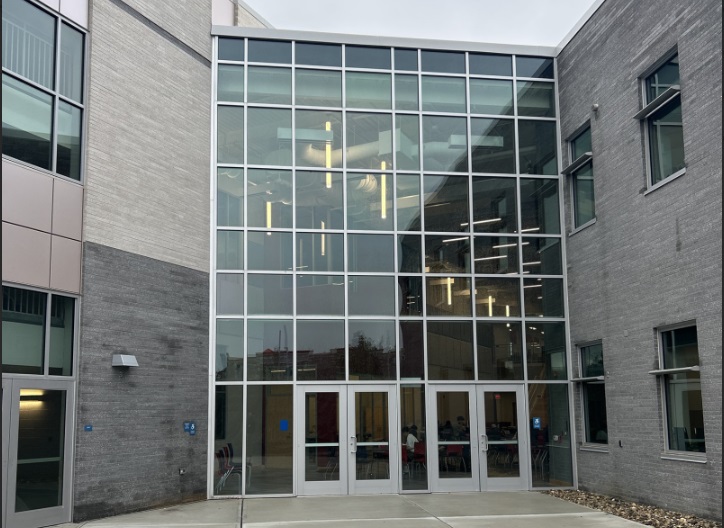
Window film has become increasingly popular in recent years as school administrators and other facility leaders look to strengthen building security. Some state legislation intended to enhance safety even mentions it by name. Security window film is commonly referred to as 'ballistic window film' or 'bullet-resistant window film,' but this is misleading. There is no such thing as bulletproof film.
When lives are at stake, it's critical to understand the distinction.
As a general rule, you should use security window film to protect property, and bulletproof glass to protect people.
Security window film is an excellent tool. It’s a cost-effective, quick way to improve physical security and reduce risks posed by vandalism, break-ins, extreme weather, or accidents. We often recommend using window film in concert with bulletproof glass.
The right mix of film and glass depends on your building. Compare the two, then talk through your options with a TSS ballistic expert.
Comparing Security Window Film and Bulletproof Glass
|
|
Security Window Film |
Bulletproof Glass |
|
Cost |
$8-18 per square foot*, before installation |
Starts at approx. $70 per square foot, before framing & installation |
|
Thickness |
4 to 14 mils film over existing window |
3/4” to 2½” glass panes |
|
Installation |
Should be done by a professional |
Must be done by a professional |
|
Forced-Entry Resistance |
Yes |
Available |
|
Blast Resistance |
Specialized products only |
Available |
|
Bullet Resistance |
No |
Yes |
|
Shatter Resistance |
Yes |
Yes |
|
Severe Weather Protection |
Yes |
Yes |
|
UV Ray Protection |
Yes |
Yes |
|
Increases Energy Efficiency |
Low |
Moderate-High |
'Ballistic Window Film' (Or 'Bulletproof Window Film') Does Not Equal Bullet-Resistant Windows
Security window film is a clear, polyester product applied over existing glass to enhance its resistance to forced entry and impact. It can be secured to window frames using specialized caulk or proprietary tape.
However, true ballistic resistance requires installation on specially tested and certified ballistically rated glass, not just standard glass with a film overlay. Ballistic glazing is always tested to the UL 752 Standard for Bullet-Resisting Equipment.
Ballistic window film is commonly referred to as 'bullet resistant,' but it does not have bullet-stopping power when installed on regular glass. There is no such thing as bulletproof film for glass; it's impossible for any glazing material that's only a few millimeters thick to stop bullets of any caliber. Active shooter mitigation is a concern for schools, as well as municipal and office buildings, and security window film is often part of a layered security approach, but it doesn’t solve every security challenge.
To learn more about bullet-resistant glass, watch this short video.
Using Ballistic Glass and Security Window Film Together
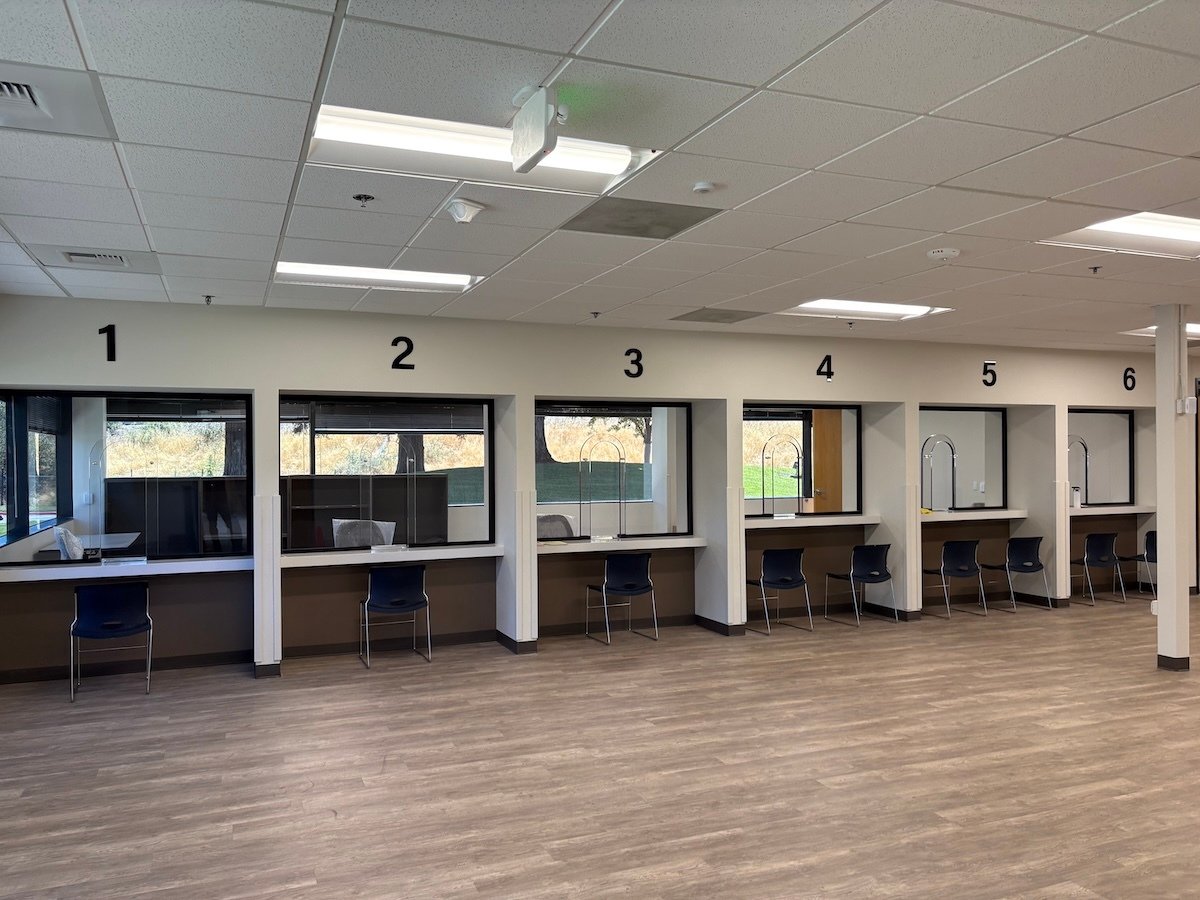
Both products have their uses when it comes to physical security and, ideally, they can be used together.
Security window film works well in areas where you do not need to protect people, but to prevent glass from shattering and injuring someone nearby. It's also ideal for upper-level exterior windows for storm and earthquake protection to reduce injury from broken glass.
Security film products are also designed to delay entry, slow down intruders and prevent glass from breaking into dangerous shards during ballistic attacks or forced entry attempts.
However, if you want to prevent active shooter situations, there are better options than film.
Our SchoolDefender® Glass offers higher forced entry resistance than window film, but allows schools and other facilities to keep existing frames, making it a more cost-effective option than bulletproof glass. It has been independently tested to ASTM F1233, meaning it's proven to withstand a multi-stage forced entry attack using sledgehammers, steel pipes, and ripping bars. This buys critical time for someone to respond and call for help and for people to seek shelter when an attacker tries to gain entry to a building.
Is Security Film (Sometimes Called 'Bulletproof Film') Worth It?
Window film can be a cost-efficient and effective solution for non-ballistic threats. However, when it comes to safety, we always encourage people to do their due diligence and choose a product that will perform as intended. Unknown sellers’ and drop-shippers’ products may not have the proven durability and performance that you’ll get with a reputable manufacturer.
Installation is another consideration. While it is possible to do it yourself, we recommend using an experienced professional to make sure the job is done correctly and the film is applied cleanly and evenly, without bubbles or creases. While these may sound like aesthetic issues, they also affect security window film performance.
Similar to bulletproof glass, there are also factors that can impact security window film project pricing. Some of those factors include:
- Working with French panes
- Difficult working conditions
- Removal of existing film
- Moving furnishing
- High ladder work, swing stages, scaffolding, or lifts
When it comes to security, you tend to get what you pay for. If you want confidence that you are protecting your facility and your personnel, talk to a professional—whether you need bullet-resistant windows, security window film, or both.
Understanding the Cost of Bullet-Resistant Glass
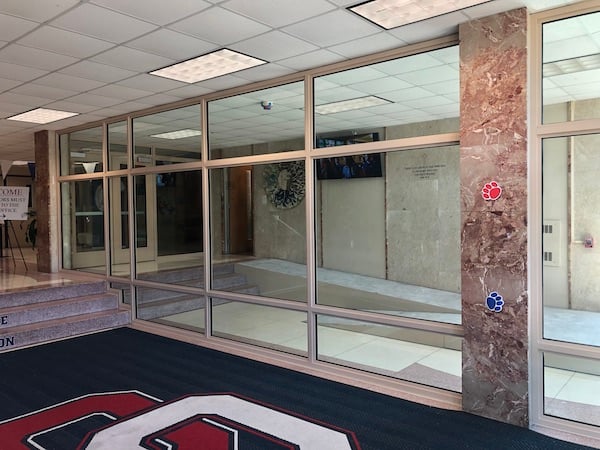
Although costs for bullet-resistant glass run higher than security film, it’s an apples-to-oranges comparison. The two products meet different security needs. Bullet-resistant glass often serves multiple purposes, and is often tested to standards for forced entry, explosive blasts, and hurricane winds.
The UL 752 standard assigns the material a specific level indicating how many of what caliber bullets it can stop, based on certified lab testing. For instance:
- Levels 1 to 3 satisfy the needs of many customers who need protection from handguns
- Levels 4 through 8 stop shots from rifles, and are increasingly common in government buildings, schools, and other spaces.
Costs depend on square footage and additional features and accessories you may need, such as doors, currency trays, or package passers.
Barriers with bullet-resistant glass or glazing typically start at $2,000, depending on the material used and the protection level needed. Full systems range from $15,000 to $30,000 or more, depending on customization needs and the level of protection.
To get an idea of what a bulletproof barrier or barrier system might cost you, reach out to us for a quote.
Let's Talk About Your Security Goals
If you're not sure what product or system is right for your application, our team can help. A strategy may use a mix of both security solutions, such as putting bulletproof windows on the ground floor where people are present and security window film on upper levels where people aren't. You can learn more by downloading our guide on Bulletproof Glass or Security Window Film.
If you have additional questions, or you'd like to get started on a quote, just contact us today. We'll gladly help guide you through your security enhancement. Our team of experienced ballistic security professionals can help you assess your facility and find a solution for both your budget and your protection level.
Product pricing are approximations only and is not intended to replace the quoting process. TSS cannot guarantee that pricing listed here will reflect in your official project quote.
Frequently Asked Questions About Window Film & Bulletproof Windows
Does it matter what kind of glass I apply security film to?
Yes, very much. Security film is only as effective as the glass it's bonded to. Older windows or unknown manufacturers may not meet today's structural standards. Even if the film is thick and high-quality, weak or brittle glass will compromise the whole system. That's one reason why film is never used in true bullet-resistant systems: it's just not reliable for ballistic protection.
What's the difference between interior and exterior bulletproof glass windows?
The main difference is durability. Exterior bulletproof windows must withstand sun, rain, wind, and temperature swings without degradation. That's why materials like glass-clad polycarbonate (GCP) and insulated ballistic glass are used outside: they're engineered to resist UV, moisture, and impact. Acrylic and polycarbonate, while effective indoors, can discolor or degrade when exposed to the elements.
What if I need ballistic protection but can't change the exterior look of my building?
Backglazing involves installing a layer of bullet-resistant glass behind existing glass. This form of bullet-resistant glazing is a smart solution for historic buildings, retail storefronts, or modern architecture where appearance matters. It adds ballistic protection without altering the visible façade.