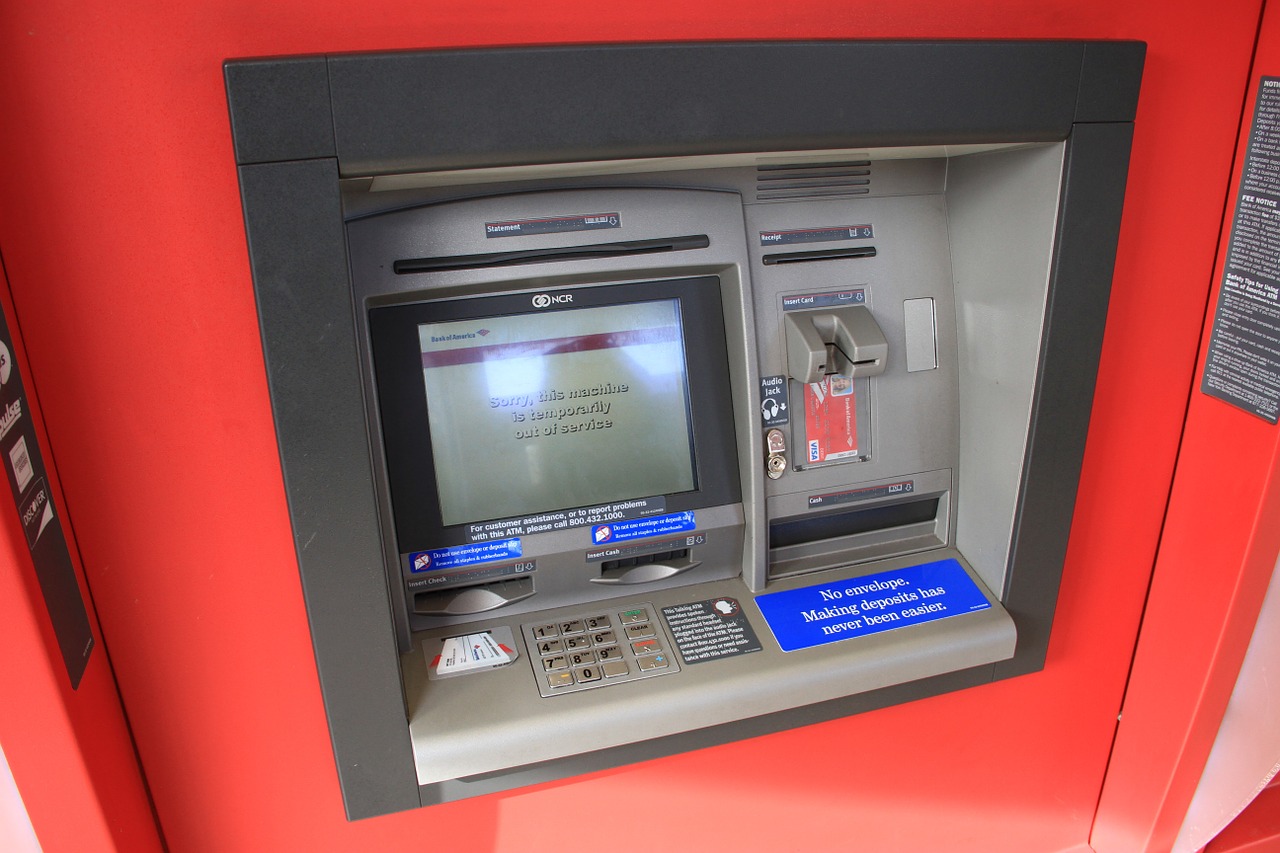
The ATM is the number one blindspot for architects working in the financial sector. They’re becoming increasingly common, with some evolving into a “branch in a box” with advanced Interactive Teller Machines (ITMs) able to handle complex transactions.
Even with these advances, it's still rare for a bank to include a vestibule ATM in their security planning. Below, we’ll discuss how bank- and ATM-targeted crime has changed over the last decade and what it takes to make them safe and secure, including ensuring the lobby is well-lit, replacing standard windows with bullet-resistant glass, and managing access control.
Crime Trends: Fewer Bank Robberies, More ATM Crimes
ATM crime trends are almost the exact opposite of bank crime trends in general. In recent years, traditional bank robberies have dropped to historic lows, while attacks targeting ATMs have surged.
A decade ago, there were only a few dozen ATM robberies each year. Since then, robberies and crimes targeting ATMs have often doubled or tripled in a single year. Here are a few alarming trends we’re seeing:
- In 2025, there were more than 700 robberies and burglaries targeting ATMs, according to the FBI.
- That number more than quadruples if you include skimming, a kind of fraud where thieves attach electronic devices (“skimmers”) to the face of an ATM, stealing banking information while customers complete transactions.
- During the past ten years, we have also seen an escalation of armed and strong-arm robberies at ATMs.
- Attacks now include "jugging," in which thieves stake out an ATM and follow the person to a more discreet location before robbing them.
- Some ATM robberies now target technicians by damaging the ATM to trigger a service call, and then robbing the technician at gunpoint once the machine is open.
- Previously, ATM attacks mostly targeted non-bank ATMs in lower-security settings like gas stations and convenience stores. Now ATM crime has increasingly shifted to bank-owned and -operated machines. Last year, more than a third of all targeted ATMs were attached to bank branches.
- “Hook-and-chain” attacks have become more common among criminal gangs who connect ATMs to a truck with a chain and forcefully remove it.
Who Mandates Physical Security in ATM Lobbies?
Federal law doesn’t address the safety of ATM users.
Only a handful of state and local laws do, and most of those focus on basic CPTED (crime prevention through environmental design) principles such as “increasing natural surveillance” (making it easier to see if someone is up to no good) and “enhancing territoriality” (making it clear that someone is going to notice if you’re up to no good). At ATMs, this largely translates to:
- Planning good sightlines for security cameras, ATM users, and passersby
- Maintaining landscaping to eliminate hiding places from which criminals might watch or ambush ATM users and technicians
- Installing and maintaining outdoor lighting, with bright light within a few feet of the ATM and good light extending for dozens of yards out
These are all good practices for ensuring the safety of your customers and limiting your losses to theft, but they are a far cry from best practices for protecting customers. Only two U.S. states (New York and New Jersey) mandate active measures to protect ATM users, like secured ATM lobbies and vestibules.
What Should ATM Security Look Like?
The goal of ATM security should be deterring the full range of ATM crimes, including the most costly (like jackpotting and skimming), as well as the less frequent but far more traumatic robberies and even annoyances like vandalism and loitering.
As we’ve recently noted, during the past decade, many traditional bank crime deterrents, including armed guards, seem to have become less effective. Meanwhile, ballistic barriers are becoming more effective in preventing bank robberies.
At TSS, we’ve spent decades helping architects create physical security solutions for banks.
We believe the best solution for ATMs is a modified version of the secure vestibule system that we first developed for schools.
In addition to improving ATM security, a secure vestibule makes the bank safer overall. It gives that branch location the option of locking down in an emergency or even entirely to controlled access operation, where all visitors must swipe a card or tap a device to enter. This can be a straightforward retrofit for situations in which the ATM is already installed in the bank vestibule or outer lobby. In cases where the ATM cannot be moved into the entryway or lobby, the vestibule approach can be adapted to exterior-wall ATMs by building a ballistic glass curtain wall around the ATM and adding a door rated for bullet-resistance or forced entry with access control.
What Are Best Practices for ATM Vestibule Security?
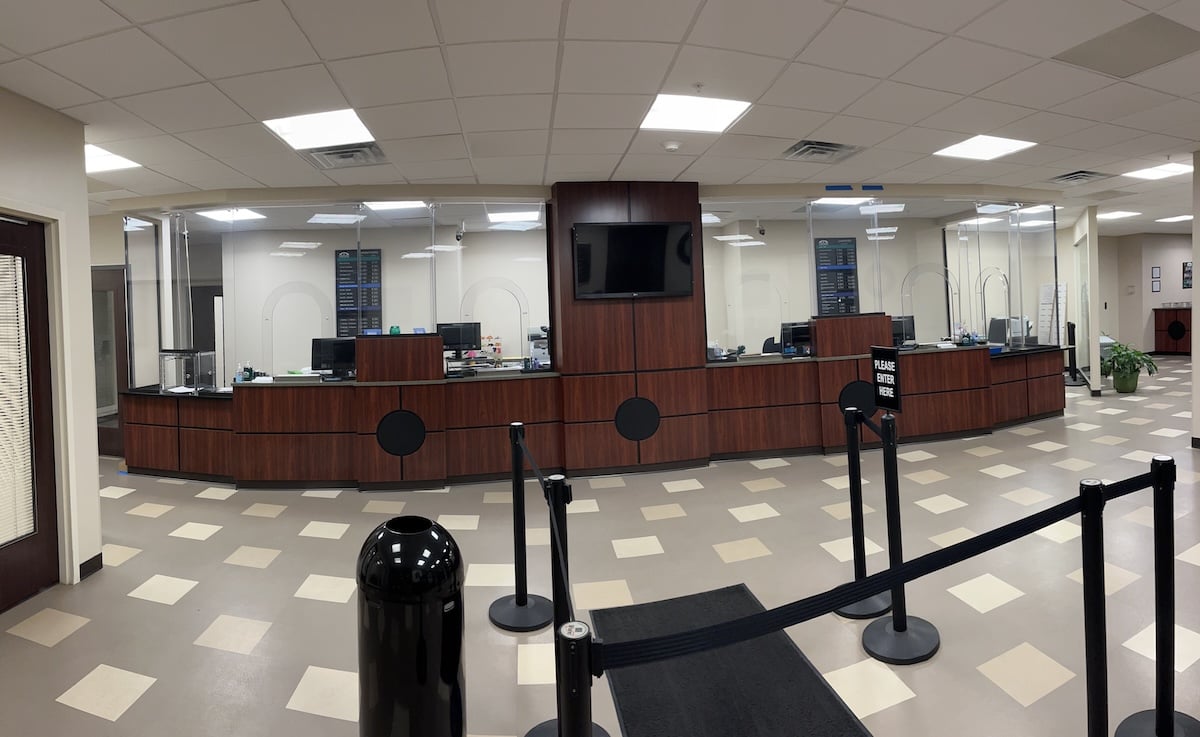
Based on both our experience and industry recommendations, we believe good ATM security should include these six elements:
1. Place the ATM in the bank entryway vestibule.
This gives you maximum control over every aspect of safety and security at the ATM. Even if you take no further precautions, having the ATM in your building’s vestibule changes the calculus for any would-be criminal.
2. Keep the vestibule well-lit and well-observed.
Industry best practices (and many local ordinances) call for illumination levels of at least 10 candlefoot power at the ATM, or about as bright as a grocery store aisle. Install good high-definition security cameras in the ATM vestibule, and add conspicuous signage noting the ATM is monitored 24/7.
3. Replace exterior windows with bullet-resistant and forced entry resistant glazing.
There are plenty of options for ballistic glass and glass tested to standards for forced entry. The option you choose depends on whether the primary threat is bullets, break-ins, or both.
Our SchoolDefenderⓇ glass is a non-ballistic glazing tested to the ASTM 1233 standard for forced entry resistance in security glazing that can prove more cost effective in some retail banking applications. If your primary concern is protecting people from bullets, glass-clad polycarbonate (GCP) can offer protection ranging from UL 752 Levels 1-8. It’s ideal for either interior or exterior glass.
If you want your windows and doors to resist both forced entry and bullets, our active shooter protection products offer dual protection in a single system.
The vestibule door should have the same rating as the windows and it should be installed with a “crash bar” exit device. These upgrades might require modifications or upgrades to the window framing as well.
4. Implement access control.
Entering the ATM vestibule outside regular bank hours must require that patrons swipe/tap an ATM card or mobile device. This keeps the area free from loiterers and potential criminals.
5. Maintain unobstructed views of all approaches to the ATM.
Keep landscaping trimmed and tidy, install large windows, and avoid architectural flourishes that create blind spots or hiding places. These practices ensure clear views for security cameras and protect people using or servicing the ATM.
6. Install bollards outside the ATM vestibule.
Bollards prevent ramming attacks and make “hook-and-chain” attempts to rob ATMs much less effective.
What Should I Look for in ATM Vestibule Security?
This quick checklist will help you determine if ATM vestibule design is likely to improve safety and security:
- Are the doors and glazing rated? Most bank entryways and ATM vestibules were built with standard architectural glass, which stops nothing. Look for ballistic and forced-entry ratings that match the location’s evaluated threat profile.
- Does the door close, lock, and latch automatically? Automatic closers should be set properly and account for the possibility of weather (like high winds or snow) affecting how the door closes and seals. Doors shouldn’t have kick-down door stops, as someone is going to kick them down eventually. Slow-closing and propped doors defeat the entire access control system.
- Is access control active after hours? Vestibules with open access after business hours can become targets for vandals, traps for customers and technicians, or shelters for the unhoused.
- Does the vestibule design limit loitering opportunities? Secluded spots, enclosed areas, and deep eaves can become shelters and hangouts. Proper lighting and high-visibility design elements that signal active monitoring help prevent this.
- Has the vestibule been assessed as a complete system? The ATM might be secured, but is the space around it? Do all elements of the system work together, or are some working against each other?
How TSS Helps Architects Working With Banks and Credit Unions
ATM vestibules are usually the last part of a banking facility to get a serious physical security review. When the regulatory baseline doesn’t require it, it’s understandable for this area to be left exposed.
At TSS, we have decades of experience designing and installing ballistic security solutions, with more than 30,000 systems installed nationwide. We’ve worked with financial institutions of all sizes, from community credit unions to national banks with thousands of branches. We are eager to help architects make sure they address any potential security gaps.
With our consultative approach, we can begin supporting your project from the very first call. First, we’ll talk about the threats your location faces and help you specify the right materials.
Then we’ll guide you through the process of designing a solution that meets your security needs while supporting your design and operational goals. Our in-house team fabricates the system and installs it to minimize any disruptions at the site.
Schedule a consultation to discuss security challenges, identify areas for improvement, and get started on your project.