ASTM F3561 tests how doors and windows resist forced entry after being shot, securing access points during active shooter events.
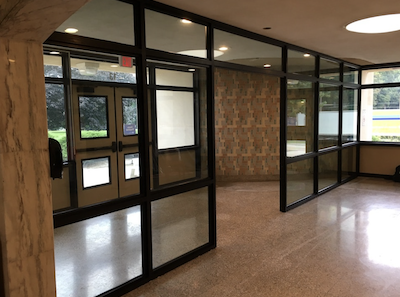
In recent active shooter events, one concerning scenario has played out again and again: A shooter arrives at a locked door designed to keep them out. They fire into an inset or adjacent glass panel, weakening it. Then, using the stock of their weapon, or even their own body weight, they smash through enough of the opening to reach inside and unlock a door.
In that moment, the door that was supposed to provide protection might as well have been wide open.
These events underscore a key vulnerability: windows and doors can fail after they've been shot, especially if followed by forced entry.
This is the exact security loophole that ASTM F3561 is meant to address. This standard evaluates how well a complete door or window system continues to perform after sustaining ballistic damage, providing a clearer measure of how long a system can continue to serve its purpose under stress.
At Total Security Solutions, we help facility owners, architects, builders, and security consultants proactively integrate this level of active shooter protection into new construction and retrofit projects.
What Is ASTM F3561?
ASTM F3561 is the Standard Test Method for Forced-Entry Resistance of Fenestration Systems After Simulated Active Shooter Attack.
Spearheaded by the National Glass Association, this test was developed by ASTM International in response to a growing concern: What happens when an attacker combines gunfire with a physical breach attempt?
While other standards focus on ballistic or forced-entry resistance individually, ASTM F3561 simulates a full active shooter event, starting with a prescribed 10-shot ballistic weakening pattern using M193 5.56mm ammunition fired into a window or door, followed by an attempt to physically gain entry through the damaged opening.
Bear in mind that this is not a ballistic test. The standard assumes bullets have already penetrated. The goal is to determine whether the system still holds together after being compromised.
A critical note is that this is a “systems test,” and therefore requires both glazing and framing to be tested as one cohesive unit. There is no provision for applying this test to just glazing or framing. This “systems” requirement precludes any claim that a film or glazing-only product can be tested to this standard.

The Standard Test Method for ASTM F3561
To replicate real-world attack behavior, ASTM F3561 involves two phases:
- Ballistic Phase: The fenestration system—a door, sidelight, or window—is fired upon ten times in a specific pattern with M193 5.56×45mm NATO ammunition. The 10 shots are fired in a sequence of N, S, W, E, NW, SW, NE, SE, Center 1, and Center 2.
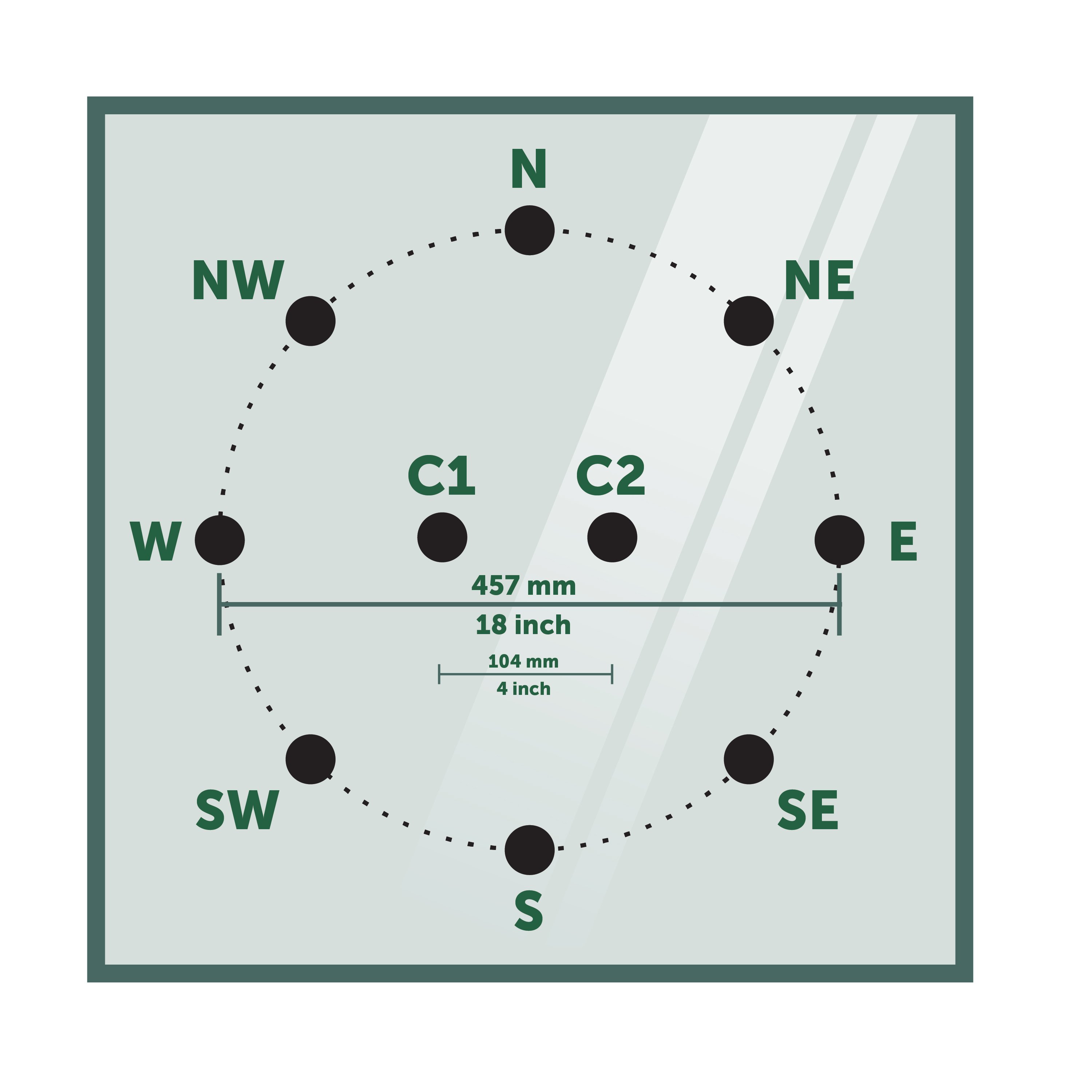
Penetration is expected, as the purpose is to weaken the system before forced-entry testing.
- Forced-Entry Phase: As soon as possible following the ballistic attack, the damaged barrier is subjected to a series of 16 strikes, ranging from 50 to 400 ft-lbf of force, from a 100 lb impactor mounted on a pendulum system.
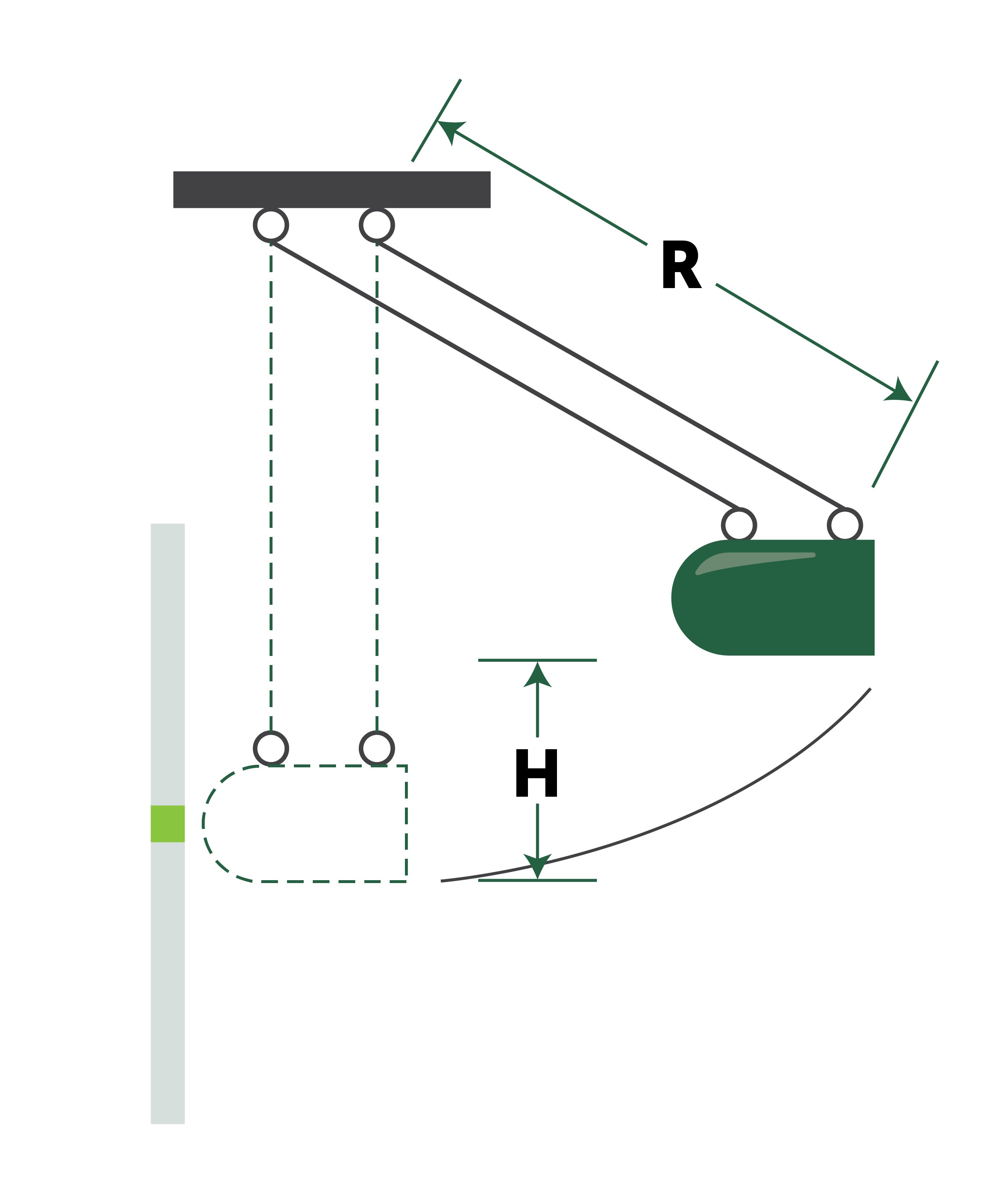
The system fails if:
A. The impactor passes through to the protected side.
B. The impactor causes a large enough opening to admit the test shape with 4 lbs. of force.
C. The system opens due to damage (for operable units).
The performance levels achievable in ASTM F3561 testing are as follows. The highest drop height at which the system withstands two consecutive impacts determines its ASTM F3561 performance level (1–8):
- Level 1: Two strikes from a drop height of 0.50 ft
- Level 2: Two strikes from a drop height of 1.00 ft
- Level 3: Two strikes from a drop height of 1.50 ft
- Level 4: Two strikes from a drop height of 2.00 ft
- Level 5: Two strikes from a drop height of 2.50 ft
- Level 6: Two strikes from a drop height of 3.00 ft
- Level 7: Two strikes from a drop height of 3.50 ft
- Level 8: Two strikes from a drop height of 4.00 ft
The purpose of the test is to assess whether the fenestration system can maintain its integrity long enough to delay access even after it has been shot.
This can be the difference between containment and escalation amid active shooter threats.
Where ASTM F3561 Accounts for Safety Concerns
ASTM F3561 is especially valuable in facilities where protecting access points is critical, and where slowing or preventing forced entry after a ballistic event helps protect occupants. These are spaces where people may not be able to evacuate quickly, and where the ability to delay an attacker by even a short time can make a meaningful difference.
Common applications for ASTM F3561-tested systems include:
K–12 Schools & Universities
Entry vestibules, classroom doors, and ground-level windows are frequent targets during violent attacks. In many school districts, physical security upgrades are now mandated, including forced-entry and ballistic protection at key access points. Systems tested to ASTM F3561 secure these vulnerable areas, keeping students and educators safe while maintaining code and compliance.
Healthcare Facilities
Hospitals, emergency departments, and behavioral health units require open access for patients and also need protection for staff, responders, and those unable to shelter in place. ASTM F3561-tested glazing and entry systems can help restrict an attacker’s movement within the facility while allowing visibility and ease of communication.
Retail & Commercial Properties
Front entrances and point-of-sale areas are highly visible and often exposed to the public. These spaces may be vulnerable to smash-and-grab attacks or targeted violence, particularly in high-traffic or high-risk locations. Systems tested to ASTM F3561 add a layer of delayed entry that protects employees and customers while maintaining an open, customer-friendly appearance.
Municipal & Government Buildings
City halls, courthouses, and permit offices often need to strike a balance between public access and staff protection. Public counters, reception windows, and side entrances are common weak points. ASTM F3561-tested doors and windows can reinforce these areas without making the environment feel closed off or overly fortified.
Corporate Offices & Campuses
Reception desks, shared lobbies, and executive suites benefit from protective glazing that doesn’t compromise aesthetics. Systems tested to ASTM F3561 offer discreet but meaningful defense in open-plan workspaces or high-visibility corporate environments, making first points of contact as secure as they are welcoming.
How ASTM F3561 Fits Into a Layered Security Strategy for Active Shooter Scenarios
Creating safer spaces in the face of active shooter threats requires a layered security strategy that addresses multiple stages of an attack, from the initial approach to sustained forced-entry attempts.
This is where three key testing standards come into play. Together, they offer a more complete picture of system performance in real-world threat scenarios.
1. UL 752 – Bullet Resistance
UL 752 outlines how many shots a material can stop and from what caliber of firearm. Ratings range from Level 1 (handguns) to Level 8 and beyond (high-powered rifles). It serves as the foundation of ballistic protection, ensuring that materials can withstand an initial attack of gunfire without penetration.
2. ASTM F1233 – Security Glazing Materials and Systems
ASTM F1233 tests how well a glazing system resists both ballistic impact and sustained forced entry using a variety of tools and techniques, including blunt-force and sharp-object strikes. It’s particularly useful for measuring a system’s durability under repeated assault by multiple attackers, including exposure to heat. It helps validate that a product can endure both attack intensity and duration.
3. ASTM F3561 – Post-Ballistic Forced-Entry Resistance
ASTM F3561 assumes that the system has already been shot and evaluates whether the attacker can then break through the compromised structure. The standard measures how long a system holds up under forced-entry conditions after ballistic damage has occurred. It reflects a scenario where gunfire is only the beginning, and the threat escalates into physical breach.
Together, these three safety standards support a layered approach to security. In short:
- UL 752 addresses the need to stop bullets at the point of attack.
- ASTM F1233 verifies a system’s durability against multiple stages of tool-based attack.
- ASTM F3561 verifies that the system continues to provide resistance after damage occurs.
By incorporating all three, security planners can better protect vulnerable access points and buy critical time for occupants to react and for first responders to arrive.
Plan Ahead for Active Shooter Attacks & Protect What Matters Most
Threats may evolve, but preparation is still the most effective response. ASTM F3561 gives planners, designers, and decision-makers a smarter way to strengthen vulnerable access points without overbuilding or overcomplicating their security systems.
If you’re interested in learning how this standard applies to your project or facility, we’re here to help. Together, we can develop a layered defense—one that’s grounded in standards, proven by testing, and backed by experience.
Frequently Asked Questions
Does ASTM F3561 require bullet-resistant glass to pass the test?
No, ASTM F3561 is not a ballistic rating—it assumes the glazing has already been penetrated by gunfire. The test evaluates whether the system can still resist forced entry after that damage. While bullet-resistant materials can help improve performance, they are not required to meet the standard.
How does ASTM F3561 compare to other forced-entry protection standards like ASTM F1233?
ASTM F1233 evaluates how well glazing systems resist both ballistic and forced-entry attacks, but under separate conditions. ASTM F3561 combines the two threats, simulating a real-world scenario where a shooter fires into a door or window and then immediately attempts to force entry through the damaged system. Both standards complement each other within a layered security strategy.
What types of tools are used during the forced-entry phase of the ASTM F3561 test?
The ASTM F3561 standard does not use hand tools during the forced-entry phase. All forced-entry attempts are conducted using a single mechanical pendulum impactor: a 100-pound (45 kg) weighted device with a hemispherical nose. This pendulum delivers impact energies ranging from 68 to 542 joules (50–400 ft-lbf) to simulate the kind of force an intruder might apply after a ballistic attack.
Can TSS design systems for ASTM test methods beyond F3561 and F1233?
Yes, Total Security Solutions can design and engineer custom systems to meet a wide range of ASTM test methods. Depending on your security goals, we can develop solutions to comply with many desired standards.
Jump to a Topic:
Related Resources
Our goal is to help you make informed decisions that protect your people, secure your assets, and support your mission—without sacrificing design or functionality. These resources offer guidance for your project.

Ballistic Glazing Solutions Guide

The 8 Levels of Bullet Resistant Glass

Guide to Improving Physical Security By Addressing the Human Factor
