In recent years, the nature of executive risk has shifted drastically. Physical threats to leadership are no longer rare, or limited to public officials. This puts intense pressure on security professionals and creates dangerous gaps in protection.
While there’s greater demand for executive protection officers, that’s only part of the equation. A comprehensive approach to security needs to go beyond bodyguards and start with executive protection solutions at your building.
Spending on Personal Protection Services Is at an All-Time High
According to Barron’s, personal security spending to protect C-suite executives at the 500 largest U.S. publicly-traded companies has risen sharply since 2020. Five years ago, only about a quarter of these companies provided any security for executives; now, more than one-third do.
Unsurprisingly, spending on personal security has skyrocketed in that period, to more than $100,000 per year per executive on average.
In some cases, the tab is much higher. Nvidia reportedly more than tripled its security budget in just the past year for their executive protection agents, and is now spending $2.2 million per year on keeping their executives safe.
These are not unreasonable measures.
Early in 2025, cybersecurity and threat management firm Nisos reported that threats targeting Fortune 500 executives had surged since late 2024. In the six months leading up to the 2024 assassination of UnitedHealthcare CEO Brian Thompson in New York City, Nisos counted an average of 260 direct threats to Fortune 500 CEOs per month.
In the month following that killing, the number of threats targeting CEOs jumped to 2,200—an eight-fold increase.
Surveying the Risk
The most recent world security report from Allied Universal paints a stark picture. They surveyed 2,352 chief security officers (CSOs) in 31 countries, in addition to speaking with 200 global institutional investors who manage more than $1 trillion in assets.
According to 42% of CSOs surveyed, threats of violence toward executives have increased in the last several years.
Two-thirds of those surveyed reported their companies are increasing physical security spending in the next 12 months, with 26% increasing those budgets “significantly.”
CSOs have also noted a shift in threat origin.
Traditionally, threats have been split more evenly between external and internal sources. That’s changing, with external threats expected to increase significantly in the next 12 months.
CSOs note that many of those external threats are driven by misinformation, disinformation, and online radicalization.
The report found 73% of companies were targeted by disinformation campaigns last year, and that misinformation or disinformation played a role in motivating at least half of all attacks.
Investors and industry watchers are taking note. Allied Universal found 85% of institutional investors see this kind of activity as an increasing threat to corporate facilities and executives. Almost all institutional investors (97%) said physical protection for executives is essential, and most believe it is not getting the attention it deserves.
Meanwhile, Allied Universal found that frontline security is stretched thin.
Over the last five years, most CSOs (83%) said they’d seen greater demands placed on their frontline security professionals. But the supply of good frontline workers has not increased and training costs have remained high, as has turnover. Even if there was a sudden influx of new security personnel, a person’s attention span can only be spread so far before gaps arise.
What’s at Stake?
In their report, Allied Universal found that 92% of institutional investors and more than 80% of CSOs thought that, despite increases in spending and focus, executive physical security was not adequately prioritized.
There is a dollars-and-cents argument to be made here.
Allied Universal reports that 26% of companies lost revenue following a security incident in 2024, with losses averaging $9 million. Institutional investors believe a significant security incident could decrease the value of a publicly listed company by 32% or more, if senior leadership is harmed, because executives are essential to these valuations. More than two-thirds of these investors said leadership accounts for 30% or more of the value of a company.
But there is a more compelling argument here than money: the human factor. Investments in executive security don’t just benefit the targeted executives. The mass shooting at a Midtown Manhattan high-rise office building this past summer is one example. Although that attack reportedly targeted NFL executives, the shooter ended up on the wrong floor and harmed people with no connection to his intended target. In the end, the attacker shot and killed four people, including two frontline security workers, a member of the building’s management team, and an executive from an unrelated investing firm.
This highlights the major cost of any kind of workplace violence and the emotional strain this puts on everyone in the workplace. Even non-lethal threats affect workplace culture. That stress gets in the way of people living their lives and doing their best work.
Historically, the response to executive threats has been to increase security presence with more guards. But frontline security is already overburdened, and those roles are notably difficult to staff and retain. At the same time, the growing complexity of executive and corporate safety has forced CSOs to expand their expertise and take on increasingly operational roles that encompass business continuity.
A Systems Approach to Executive Protection
Good corporate security solutions use the building itself to relieve this strain on security staff while increasing safety. Over the last several decades, Total Security Solutions has protected more than 30,000 buildings from bullets and forced entry. We’ve seen firsthand how a properly designed and implemented barrier system can improve building safety and streamline security processes without compromising building aesthetics or impeding upon productivity.
In the face of increasing threats, we advocate for integrated executive protection solutions. These solutions take a systems approach that treats individual components or hardening measures (think ballistic glass and frames, bullet-resistant doors, and fiberglass panels) as interlocking elements of a single barrier system. That barrier system is custom designed and fabricated to match building aesthetics and support daily operations while keeping attackers out and affording emergency responders time to arrive.
These individual systems, in turn, form layers of security throughout the building, starting from the inside out.
Here are some guidelines for security directors and architects implementing executive protection.
Conduct a Risk Assessment
Start by identifying your high-risk areas, including the locations of key personnel and where they spend most of their time within the building. Consider their daily routines, travel plans and when they have the most public exposure, such as during investor calls or board meetings.
Determine what threat monitoring you have in place currently, including security services and surveillance systems, and where you have vulnerabilities. For instance, you may have cameras to identify a threat, but you may not have the physical systems in place to deter someone from going further into the building before law enforcement arrives.
Focus on Executive Offices First
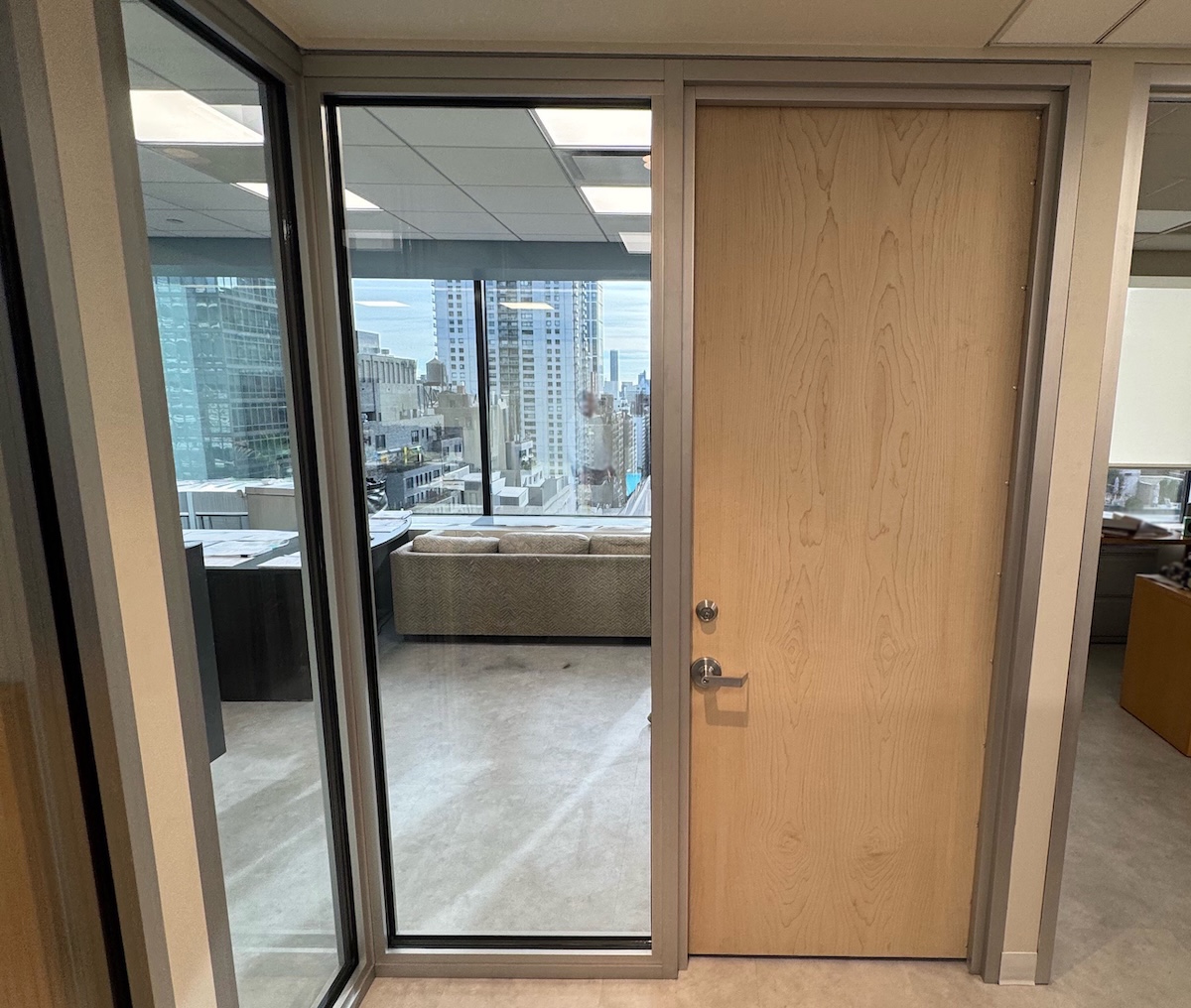
Secure offices with ballistic doors, windows, and walls using materials tested to UL 752 standards for bullet-resistance.
You may also want to consider reinforcing conference rooms—or even bathrooms—at strategic locations throughout the offices so they can serve as safe rooms in an emergency.
If you're not able to replace existing windows, backglazing can be a cost-effective option, adding a layer of protection that can be either a provisional measure or permanent feature.
Fortify the Floor
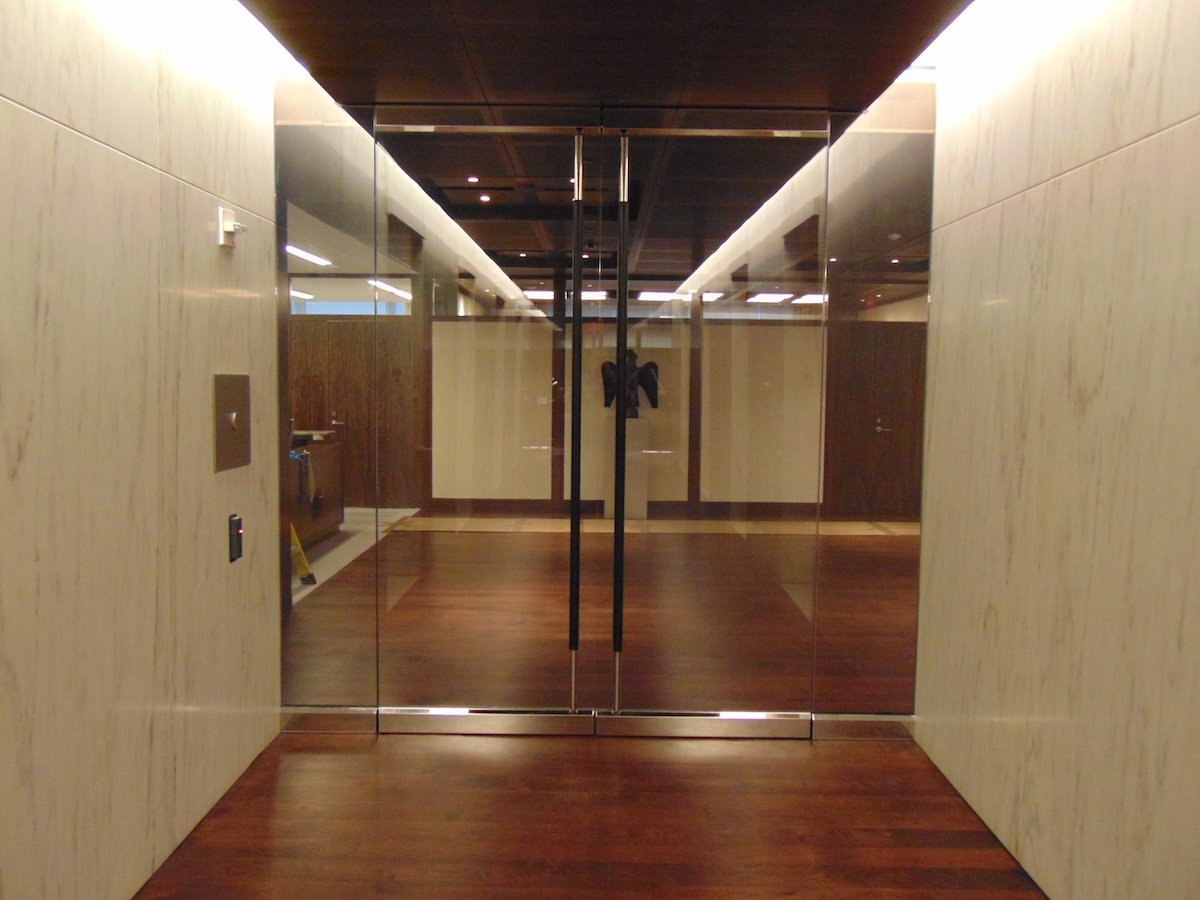
Many offices have multiple executives on a single floor that may call for added protection. Consider adding bullet-resistant fiberglass panels to walls or ballistic glass to doors where people enter the floor.
Secure Reception Areas
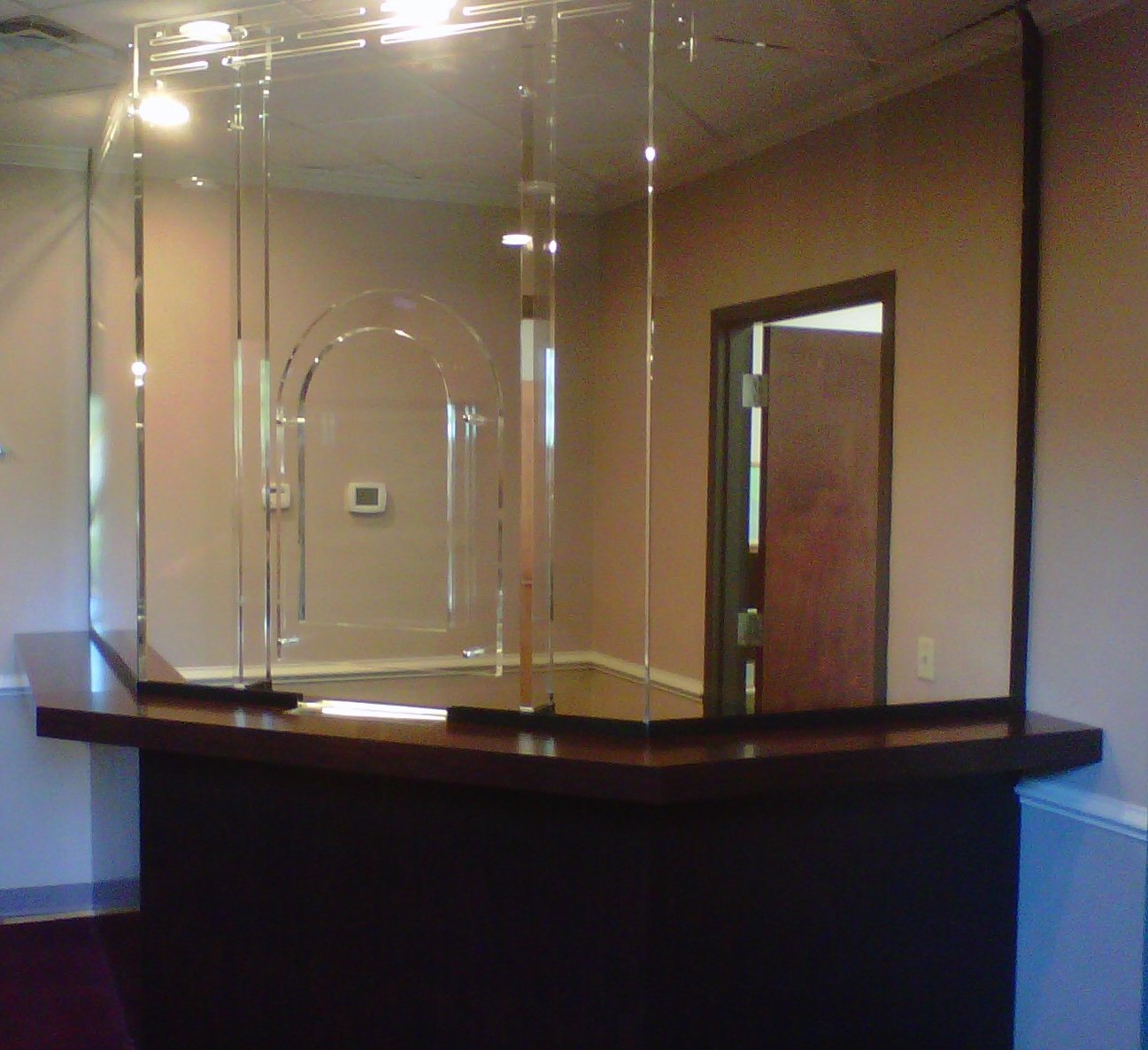
If your building is accessible to the public, you'll need a secure place for people to check in. This could be a guard booth with bullet-resistant glass and transaction windows with speak-thru systems.
Protect the Perimeter
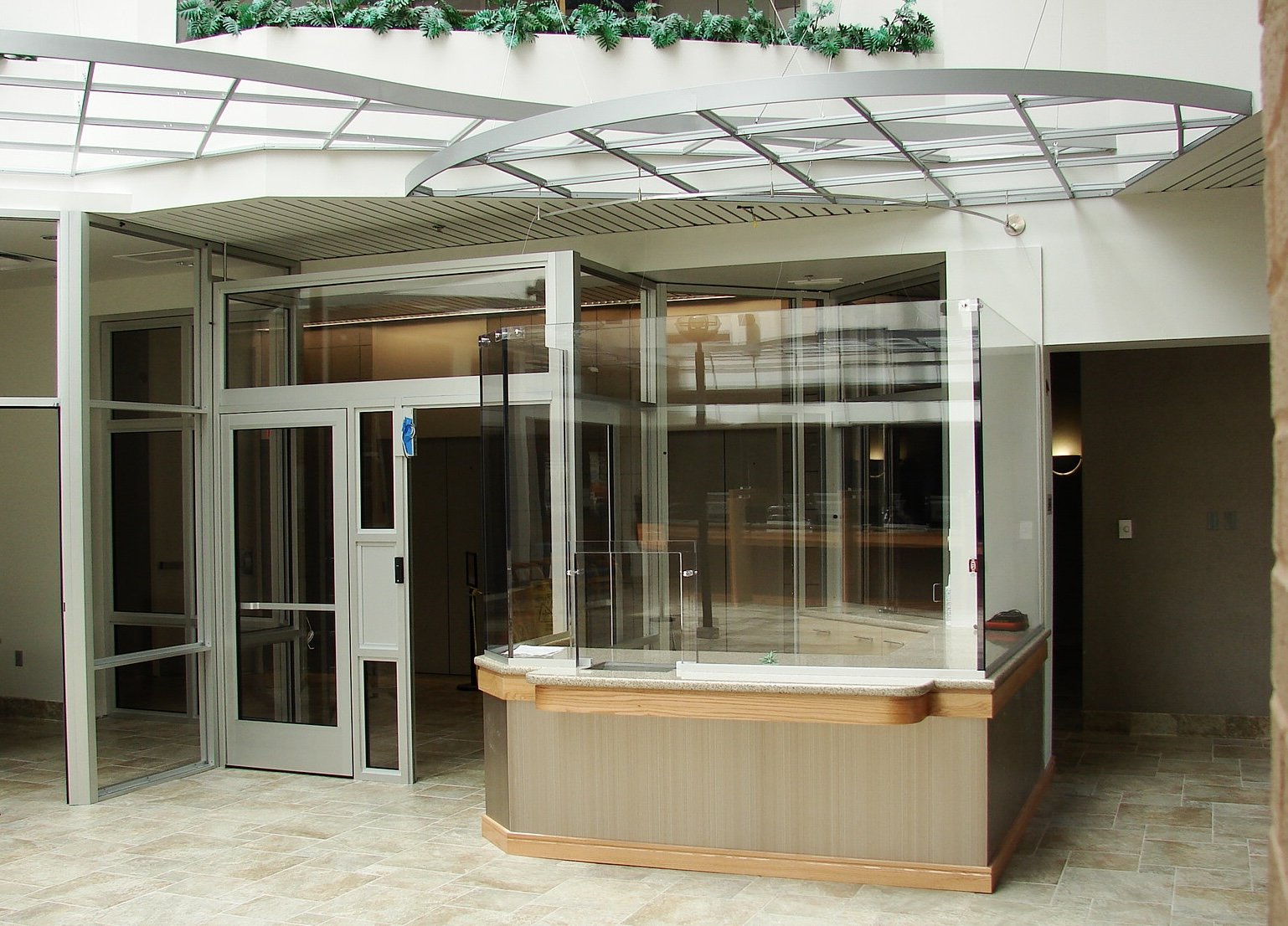
Integrated executive protection must include the building exterior.
That includes bulletproof doors, bullet-resistant exterior windows, and often access control systems. To guard against growing threats by attackers who break into buildings, many companies choose to invest in doors and windows rated for both bullet-resistance and forced entry.
These security upgrades put multiple distinct obstacles between an attacker intending to cause physical harm and their most likely target, enhancing close protection measures.
Now Is the Time To Implement Executive Protection
High profile individuals face unique risks, and increasing security staff is only part of the equation. Enhancing physical security within your building increases safety without attracting unnecessary attention.
Our team has designed, fabricated, and installed custom ballistic systems for thousands of corporate offices, including developing unique solutions for everything from executive boardrooms to podiums and freestanding barriers.
Schedule a consultation for your protection service to start planning upgrades for the coming year.