
Protect Your Facility With Bullet-Resistant Polycarbonate Security Glazing
Polycarbonate security windows, while not made of actual glass, are optimal for interior use with a high resistance to forced entry; a sheet of polycarbonate security glazing can withstand repeated strikes from a sledgehammer.
Polycarbonate construction includes a soft layer that gives it the ability to “catch” a bullet without shattering. The laminated protective layers absorb the bullet’s momentum instead of forcing a bullet to dangerously ricochet off its surface.
Our Polycarbonate Bullet-Resistant Glazing Products
| Product | Thickness | Level | Composition |
| Laminated Polycarbonate | 3/4" |  |
All Poly |
| Laminated Polycarbonate | 3/4" | |
Poly / Acrylic |
| Laminated Polycarbonate | 1" |  |
All Poly |
| Laminated Polycarbonate | 1" | |
Poly / Acrylic |
| Laminated Polycarbonate | 1-1/4" |  |
All Poly |
| Laminated Polycarbonate | 1-1/4" | |
Poly / Acrylic |
Visit our Product Specifications Page for Data Sheets, 3-Part Specs, and more.

Is Polycarbonate Glass Bulletproof (Or Bullet-Resistant)?
can stop a bullet. Our bullet-resistant polycarbonate is independently tested to UL rating system Levels 1, 2, and 3 for ballistic protection.
Ballistic polycarbonate that passes the Level 1 requirements will be able to withstand an assault from a typical 9mm handgun used in an armed robbery. Windows that pass the Level 2 test will weather an attack from the more serious .357 Magnum, while polycarbonate tested to Level 3 standards can withstand shots all the way up to a .44 Magnum.
While people often search for polycarbonate unbreakable glass, it’s important to understand that no glazing material—whether glass, acrylic, or polycarbonate—is truly unbreakable. Each material offers unique advantages depending on the application. Polycarbonate stands out for its ability to flex and absorb energy upon impact, much like a tree bending in a storm. This flexibility not only helps it resist breakage from ballistic threats but also contributes to its forced-entry resistance qualities that curb unwanted entry. Harder materials like glass and acrylic provide superior scratch resistance and a clearer optical finish, which can be beneficial in certain environments.
The right bulletproof glass choice depends on your specific security and aesthetic needs. Our security experts at TSS are here to help you make that decision with confidence. You'll get the ballistic performance and protection you need, in a solution that seamlessly blends in with your building's existing architecture.

Does Polycarbonate Offer Forced-Entry Protection?
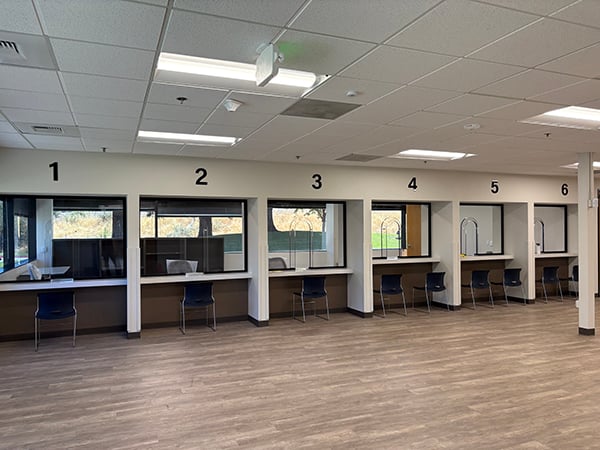
Yes, polycarbonate materials exhibit forced-entry resistance by flexing rather than cracking or shattering. The material can absorb repeated blows from a sledgehammer and/or pry bars instead of giving way like traditional glazing materials.
Polycarbonate materials carry a UL-tested forced-entry rating, independently confirmed to withstand sustained battering without being breached. It's a certified assurance for schools, banks, and government facilities that need glazing to hold until help arrives.
Bulletproof Polycarbonate Glass Vs. Security Window Film: What's the Difference?
Bulletproof polycarbonate and security window film are engineered to solve different problems.
Polycarbonate bullet-resistant glazing is independently tested to the UL 752 standard. It's built to catch a bullet and keep your people safe.
Security window film is a different product for a different job. It's a thin polyester layer applied to existing glass so that when the glass is struck or shatters, the film holds it together, delaying forced-entry threats and preventing property damage. Security film, even in multiple layers, is not a ballistic product and cannot stop a bullet, regardless of whether it's marketed as "ballistic window film".
Many of our clients use both, layering bulletproof glazing where people need to be protected from gunfire with security window film where the goal is to deter or delay forced-entry attempts. A school district, for example, might install bullet-resistant glazing at the main entrance and ground-floor windows around the front office, while adding security window film to lower-risk windows elsewhere in the building. This kind of approach to school security allows districts to enhance safety where the threat is highest, without the cost of hardening every window on campus to the same level.

Choosing the Right Polycarbonate Security Glazing For Your Ballistic Windows and Doors
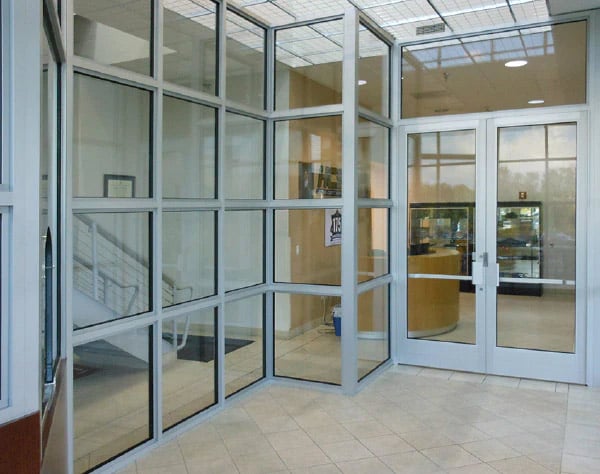
Both our all-poly polycarbonate and acrylic glazing options are independently tested to UL Levels 1, 2, and 3. These levels of protection offer resistance to shots from the most common types of handguns, including 9mm pistols, .357 Magnum pistols, and .44 Magnum pistols. Level 3 glazing is one of our most popular levels of protection; it’s strong, budget-friendly, and often the right choice for many types of industries and companies.
How Much Does Bulletproof Glass Cost?
Cost depends on the material you choose, the protection level you need, and the size and complexity of your installation. A Level 1 bullet-resistant acrylic panel for a small retail counter and a Level 3 all-poly system for a government building are two very different projects with two very different price tags.
Other variables, like the installation provider you choose, will also impact the final cost.
Bulletproof glass typically costs more per square foot than security window film, and that makes sense once you consider what each product is built to do. Film is engineered to hold shattered glass together and slow down forced entry; bulletproof glazing is engineered to stop a bullet outright.
The most reliable way to get an accurate number that includes everything from the glass to the installation costs is to talk with a ballistic expert who can provide exact figures based on your specific facility, threat level, and goals.
Most businesses, facilities, and organizations need more than one component to be protected. A single custom bulletproof window without a reinforced framing system, or a secure entry point with an unprotected side glass door, leaves gaps. Taking a systems approach with more layers gives you a more accurate picture of what your project will cost, and a better outcome once the combination of safety measures is installed.

How Is Ballistic-Resistant Glass Different From Shatterproof (Or Shatter-Resistant) Glass?
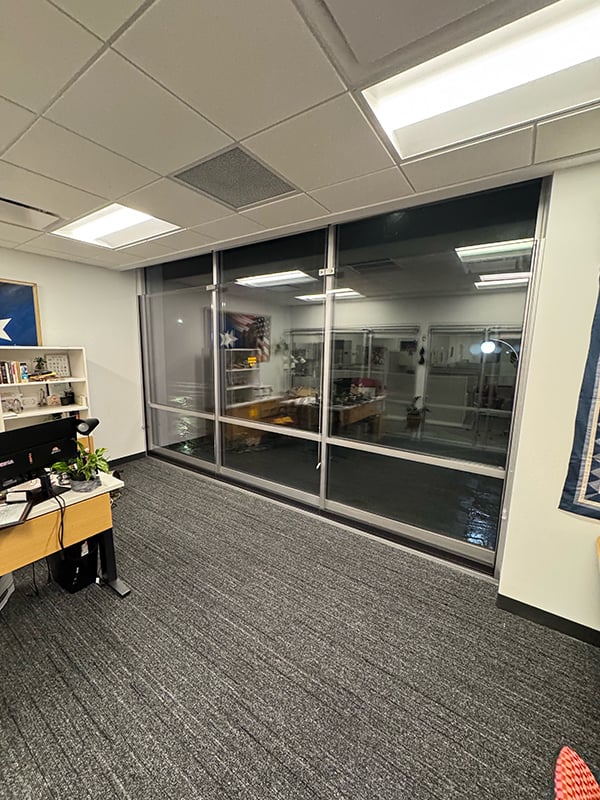
Standard glass breaks into sharp, jagged shards. Shatterproof glass avoids that outcome, breaking into small, blunt fragments or holding together on impact instead.
Shatterproof windows are a good fit for facilities that aren't facing a ballistic threat but need to keep people out and their windows intact. They're a strong deterrent against smash-and-grab theft and forced entry, which is why you'll find them in retail storefronts and office facades. Shatter-resistant windows protect people from flying glass in storm-prone areas, accidental impacts, and break-in attempts.
Ballistic glass takes that same resistance to breakage and adds the ability to stop or slow a projectile outright, which is where polycarbonate's flexible, energy-absorbing construction stands out. By flexing to catch the impact, it gives people time to get to safety and first responders time to arrive.
Many ballistic systems, including polycarbonate glazing, also deliver noise reduction benefits and energy savings thanks to the combined strength of their multi-layered construction.
From Product Types to Protection Levels: Your Ballistic Glazing Solutions Guide
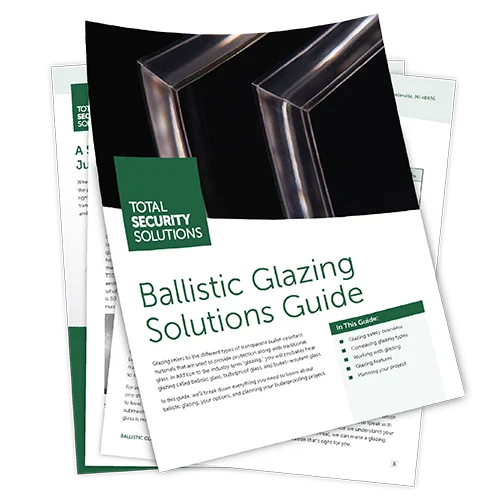
If you’d like to learn more about your bullet-resistant glass options, our Ballistic Glazing Solutions Guide outlines everything you need to know about bulletproof glass. This comprehensive guide walks you through all our product options so you can feel confident about your safety, security, and aesthetics.
We Can Help You Make Bulletproof Polycarbonate Windows, Passers, and More to Improve Security
Polycarbonate is an incredibly versatile and durable ballistic security product. Because we fabricate all of our bulletproof solutions in-house, we can create the polycarbonate ballistic panels, windows, package passers, and doors you need and more, whether it's for a new construction or a retrofit application.

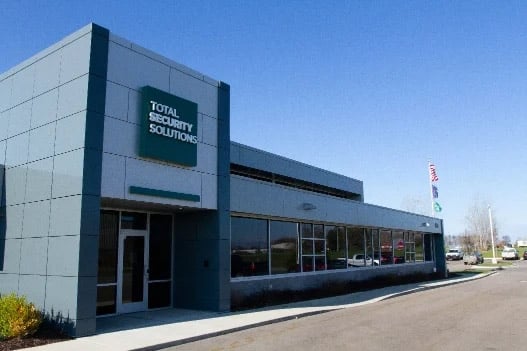
TSS Is Ready to Help You Harden Your Physical Security With Bulletproof Security Glass
For decades, TSS has provided all types of businesses, organizations, and companies with the bulletproof glass they need to provide the best defense for themselves and their customers. If you’d like to get started with polycarbonate bulletproof glass or any of our other products, please don’t hesitate to contact us or request a quote. We'll get you the required protection you need from ballistic impact while meeting your aesthetic requirements.