As journalists receive more frequent physical threats, we’re seeing an increase in inquiries from media companies looking to implement many of the same physical security solutions that protect corporate environments. That means securing entryways, improving access control procedures, and protecting executives and employees with barrier systems and safe rooms.
Here’s a closer look at the threat landscape media outlets face today and what physical security systems they can implement to protect their employees.
Why Are Media Companies High-Risk Environments?
Media organizations face threats of violence from insiders and disgruntled subjects of coverage or politically motivated extremism.
High-profile reporters, on-air talent, and editorial leadership are often viewed as the face of the news itself. That visibility makes them targets when people don't like the message. Approximately 31% of U.S. journalists report experiencing online violence, including doxxing, sexual harassment, and explicit calls for violence, according to the American Press Institute. Some of these threats move offline.
Media companies are also built for collaboration, with open floorplans and in buildings designed to be accessible to the public. Annapolis, Md. Capital Gazette columnist Terry Smith noted this when he spoke to CNN after surviving the 2018 attack on his paper that killed five journalists.
"It's a completely open newsroom,” Smith said. “There are glass windows all around the room. There is nothing except for a few half-walls at the editors' offices on the left to impede a shooter."
What Should A Media Outlet’s Physical Security Strategy Include?
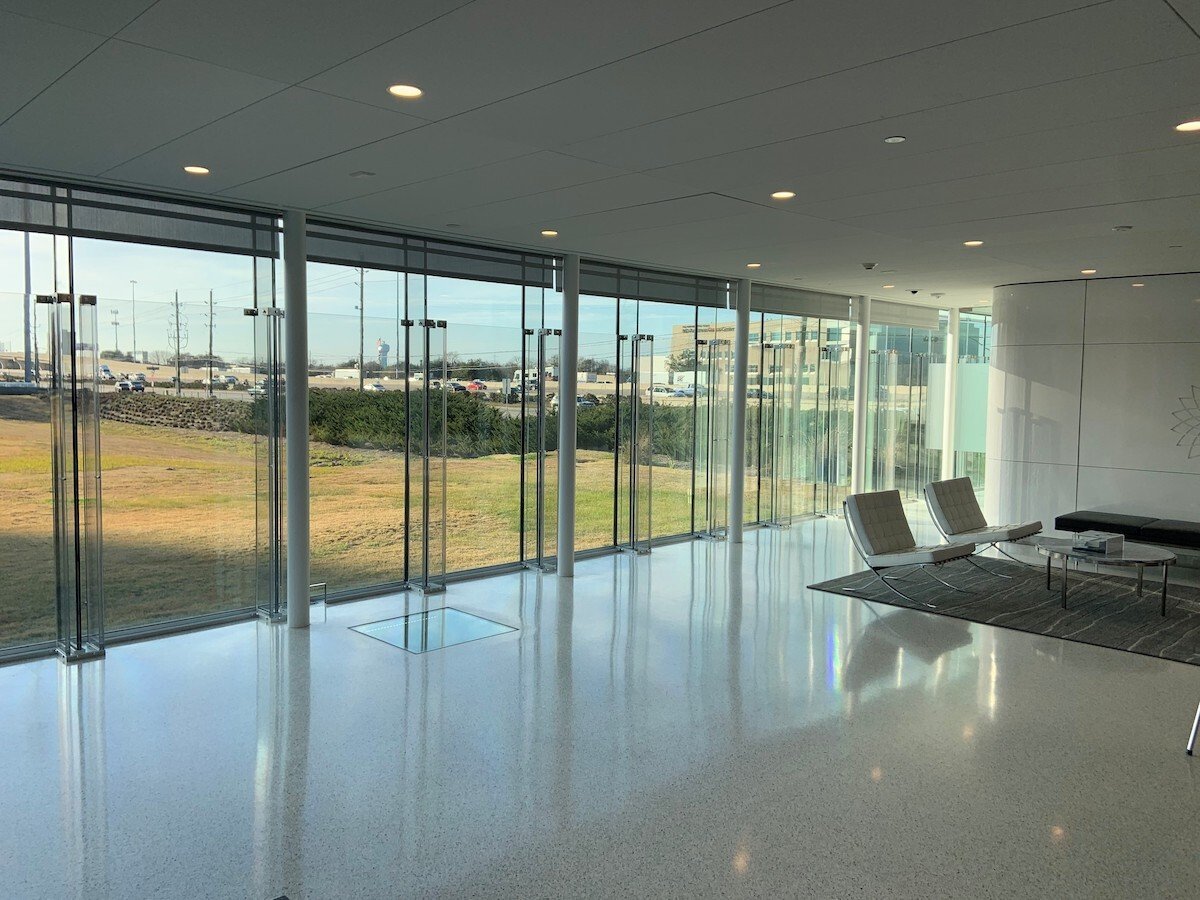
For media organizations, physical security should primarily focus on entryways, access control, and using corporate-style “C-suite” security measures establishing defense-at-depth.
Whenever these measures incorporate a barrier, door, or window, you should consider ballistically rated materials. UL 752 is the gold standard for rating bullet-resistant materials used in construction. For most office threat scenarios, materials tested against UL Levels 1 through 3 are appropriate, as they are designed to stop three-shot clusters from the most common handguns. Some organizations opt for Level 4 exterior windows, which can stop shots from high-powered hunting rifles.
For a ballistic barrier to be effective, all elements should be UL-rated, including:
-
Walls reinforced with bullet-resistant fiberglass paneling
Employees are the first line of defense against physical security threats. Their security awareness and training is foundational to any safety strategy. Start by training employees how to manage visitors, recognize unauthorized entry, and respond to a physical security breach or suspicious activity.
Effective Building Security Begins With Controlled Entry
Security starts with making sure everyone enters the building through one door. If you have a single point of entry, then you can substantially improve security by adding a buzz-through entrance or secure vestibule system. This makes it safe and easy to vet everyone before they are allowed entry. Such systems also send a clear message: If you act threatening, these doors will not open.
Protect Your Reception Desk and Lobby
Once someone clears the vestibule, the reception desk is the next human checkpoint between the entry and the rest of your building.
Bullet-resistant barriers at the reception position, paired with transaction windows and speak-thru systems, let an organization manage visitors without physical exposure. If a threat escalates in the lobby, the person at the reception desk still has protection and enough time to trigger a lockdown before an intruder moves deeper into the building.
Optimize Access Control
Once someone clears the entryway, your access control systems and protocols determine how far they can move within the building. Part of the solution is technological: Card readers, key fobs, and credential-based systems can create checkpoints that limit movement to authorized personnel and escorted visitors.
At TSS, we work closely with vendors who specialize in access control, ensuring that readers, monitors, cameras, and other elements integrate smoothly with all physical security measures, including doors, windows, and framing systems. But technology only takes you so far. The greatest enemy of a $10,000 access control system is a $0.99 rubber doorstop, and the leading source of security failures are people being too polite at the wrong time.
Protect High-Profile Employees, Masthead and Leadership
News directors, editors-in-chief and managing editors, publishers, and named on-air talent or lead reporters may occupy the same risk position as C-suite executives. They're the most publicly identifiable people in your building and the most likely to be specifically targeted. Their offices and workspaces need the same level of physical protection. At the office level, this means bullet-resistant windows and doors tested to UL 752.
For editorial suites and leadership corridors where an open aesthetic matters, all-glass ballistic doors built from laminated ballistic glass offer full protection without making those spaces feel locked down. In historic buildings where replacing exterior windows isn't feasible, backglazing adds a bullet-resistant layer. For broadcast positions where talent is stationary and publicly visible, ballistic desks and podiums provide a practical, discreet layer of protection.
Our blueprint for executive protection walks through the full scope of what a leadership protection program looks like, including a planning framework and checklist you can adapt for a media organization.
Creating Safe Rooms and Compartmentalizing Offices
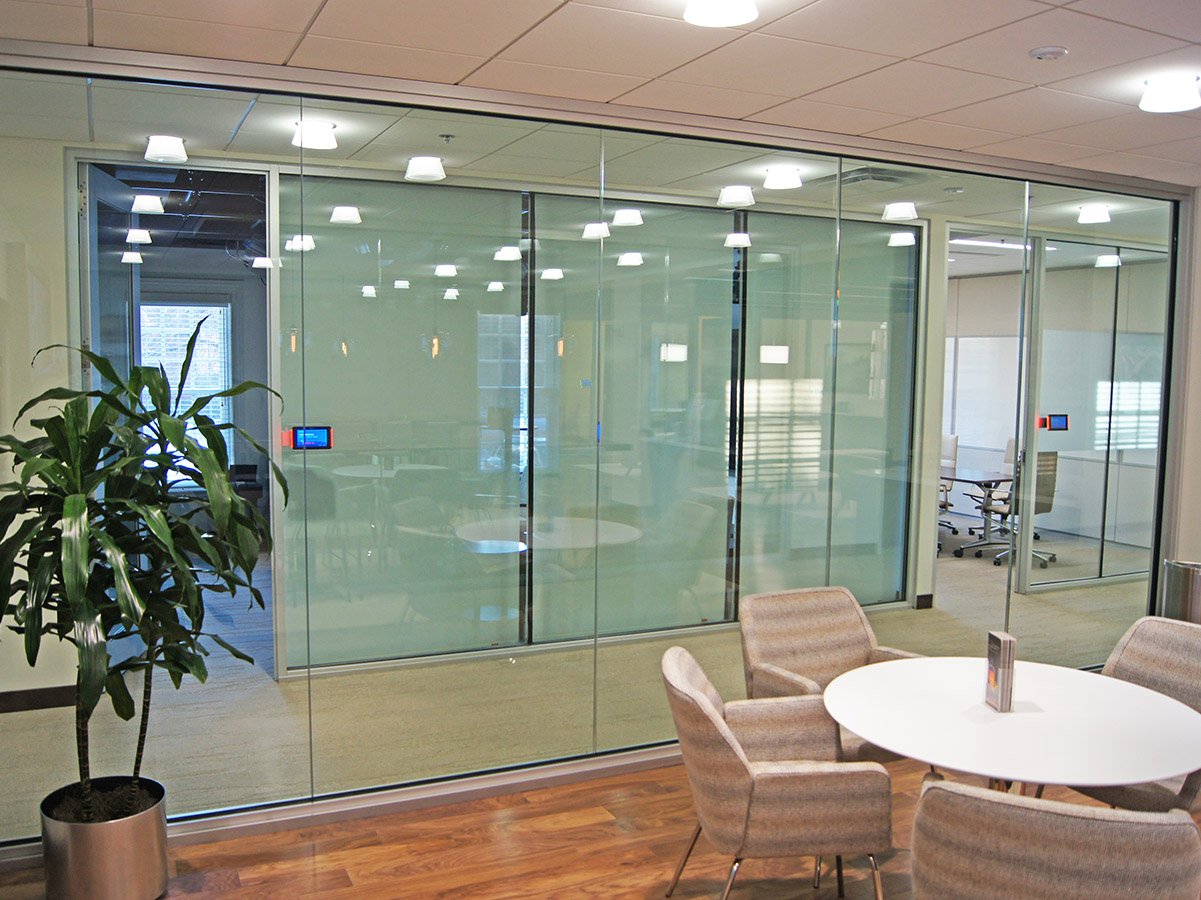
In a worst-case scenario, building staff need options and fallback measures. Many aspects of our blueprint for C-suite protection apply here. For example, breaking up larger offices using all-glass bullet-resistant doors made from laminated ballistic glass offers protection and makes it possible to contain an attack while still preserving the open, modern aesthetic common to many offices. Similarly, more companies are exploring safe room conversion, retrofitting interior offices and conference rooms (or even bathrooms) with bullet-resistant fiberglass panels, ballistic glass, and more secure ballistic doors.
Physical Security and the Media: Breaking News, Not Breaking In
Improving the security of media newsrooms and facilities begins with identifying security gaps and vulnerabilities. Physical security for media outlets means taking into account both standard office and workplace security concerns and operational challenges unique to the media world.
Walk your building and ask:
- Where can someone enter without being challenged?
- Are locked doors flanked by non-rated windows?
- Which interior doors lead directly into the newsroom, broadcast space, or offices likely to be targeted?
- How hard is it to get into highly sensitive areas?
A partner with experience in custom barrier design can help you specify materials that work with your building’s design and make daily operations both easier and more secure. If you’re considering upgrading security for your building, download our guide to bulletproofing your facility or request a consultation to start planning.