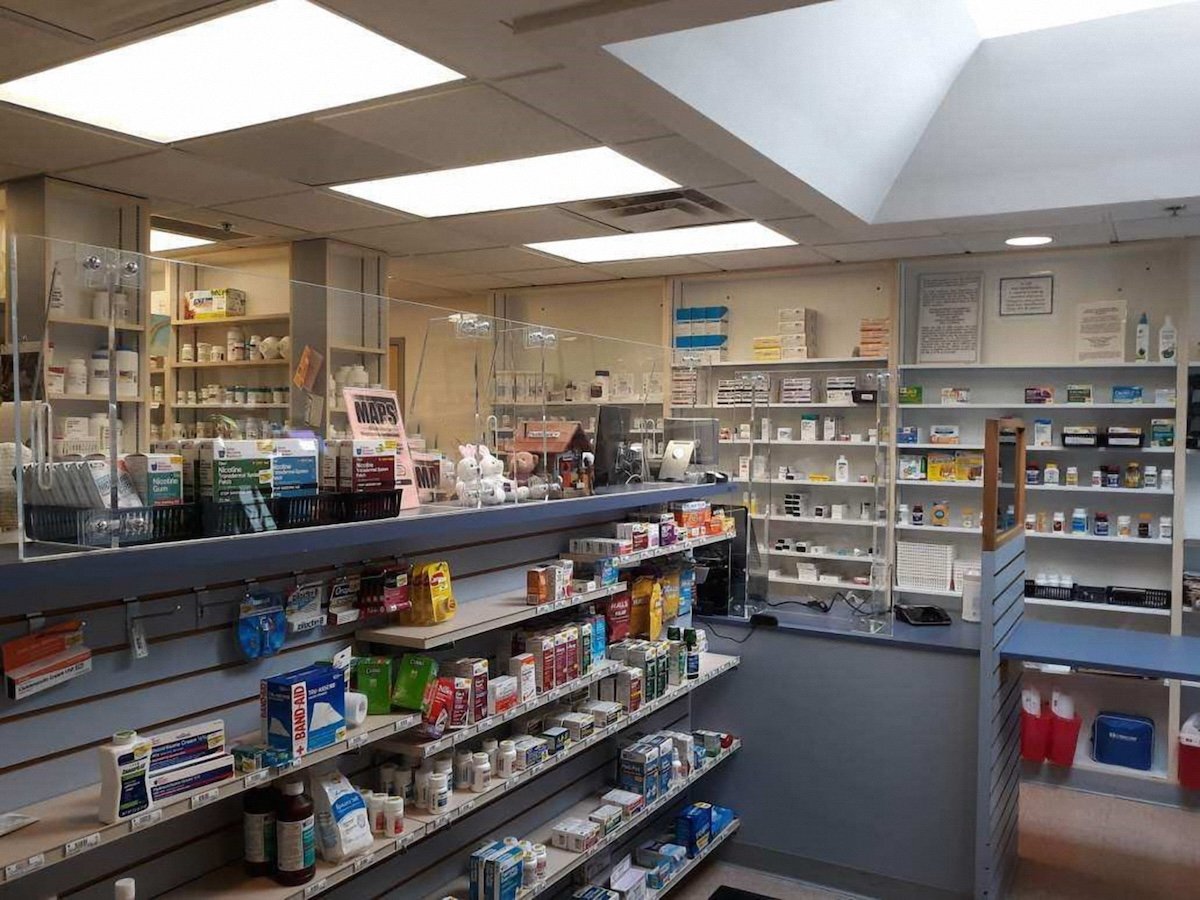
Pharmacies have always been attractive targets for theft.
They stock high-value prescription drugs, handle cash transactions, and operate in high-traffic retail environments where controlling access is often difficult. But the threat environment has changed significantly in recent years, and pharmacy owners who haven't updated their security measures are operating with real and growing vulnerabilities.
The numbers tell the story clearly:
- The U.S. Drug Enforcement Administration reported nearly 900 pharmacy burglaries involving controlled substances in 2023, a substantial increase from just a few years prior.
- From January 2022 through December 2023, the total cost of stolen inventory in community pharmacies reached $26 million, according to DEA theft and loss reports.
- Investigators have linked dozens of arrests over the past few years to organized drug trafficking organizations that systematically target independent pharmacies, using matching tools and methods, and funneling stolen narcotics into illegal distribution networks.
Armed robberies at the counter remain a daily threat, as well.
Opioid use disorder affects more than 2.1 million Americans, and the desperation that drives substance abuse also has the potential to put your staff and patients at risk.
The good news is that pharmacy security has come a long way. Physical ballistic barriers, bullet-resistant transaction windows, and security systems have made a measurable and meaningful difference where they've been deployed.
At Total Security Solutions, we've designed and installed custom barrier systems for pharmacies, dispensaries, and healthcare facilities for more than 20 years, and we can help store managers and operations leaders plan to protect their people.
Why Pharmacies Face Unique Security Challenges
Most retail businesses deal with shoplifting and occasional break-ins. The pharmaceutical industry is immediately at a higher risk because controlled substances are valuable assets to criminals or people who are addicted to them. Standard retail security measures are designed to deter shoplifters but don't always provide adequate protection for valuable assets
At the same time, pharmacies must remain accessible to the patients they serve.
The challenge is designing a pharmacy security strategy that protects staff and protects patients without compromising operations.
There's also a regulatory dimension that other retailers don't face. The DEA and HIPAA both impose specific requirements on how pharmacies secure controlled substances and protect patient data. Non-compliance can result in fines or even the loss of DEA registration.
Internal theft adds another layer of risk. Role-based access control, real-time digital logs for high-risk medications, and regular audits should be part of a comprehensive security picture.
The First Line of Defense: Physical Barriers at the Pharmacy Counter
The most effective pharmacy security measure isn't a camera or an alarm — it's a physical ballistic barrier system that separates your staff and controlled substances from the threat side of the counter.
Cameras and alarms only record what happens and alert responders after a threat is already in motion.
A bullet-resistant barrier physically prevents a threat from reaching your people and your inventory.
Total Security Solutions specializes in custom ballistic barrier systems for retail pharmacy environments. A typical installation surrounds the counter with acrylic glazing tested to the UL 752 Standard for Bullet-Resisting Equipment. This common standard indicates the types of weapons and number of shots the glazing is designed to withstand.
For pharmacies, we commonly add UL Level 1 or 2 barriers to the areas surrounding the counters.
The counters and surrounding walls can also be reinforced with ballistic fiberglass to offer additional protection to the people behind them.
Bullet-Resistant Transaction Windows
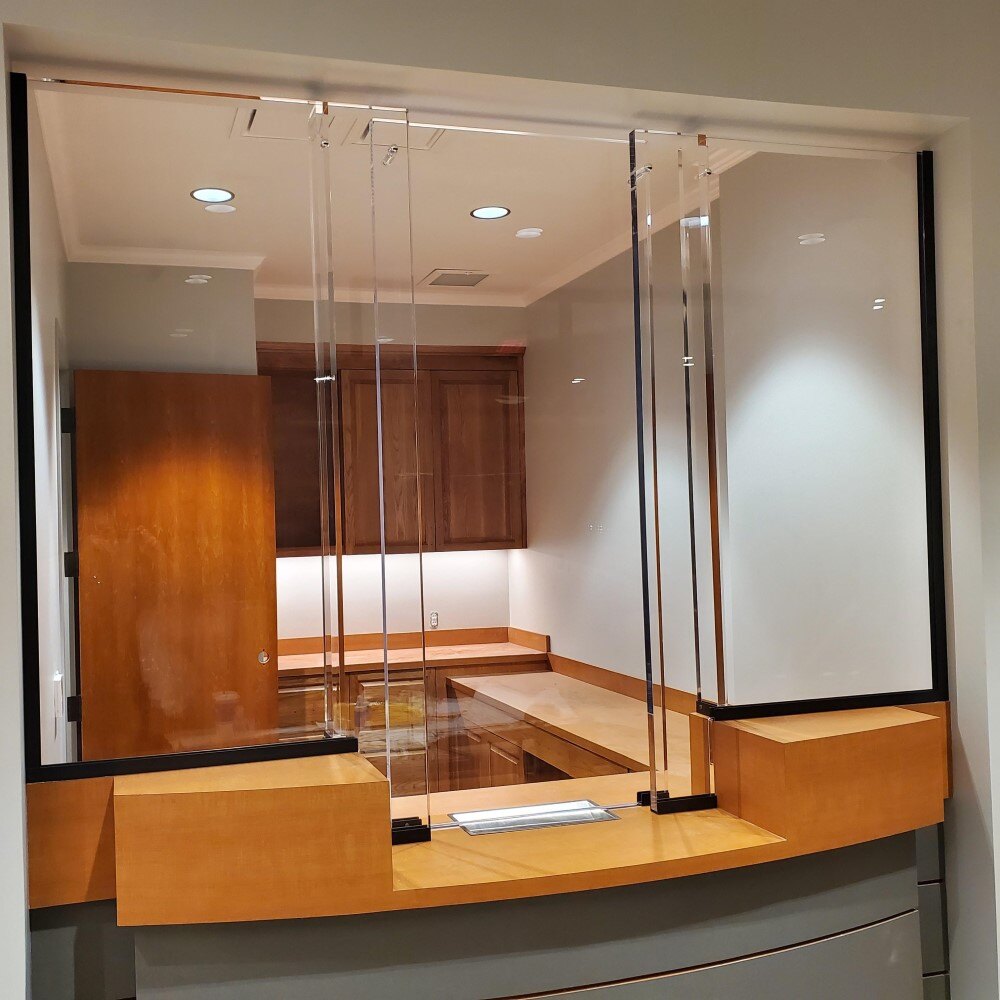
The transaction window is a key part of a pharmacy barrier system. There are several styles to suit different pharmacy environments and operational needs.
- Baffle windows use an offset glazing system that allows for natural sound transfer.
- Sliding transaction windows are well-suited for high-traffic pharmacies, opening to pass prescriptions, documents, or packaged items.
- Arched windows add an aesthetic quality that fits well in retail environments where appearance matters.
- Exterior windows, designed for drive-thru applications, typically use weather-resistant glass-clad polycarbonate glazing and secure framing to hold up to outdoor conditions.
There are also different options for speak-thru systems, depending on the type of window and the level of security you need.
Most retail pharmacies use ballistic glazing tested to UL 752 Level 2 or 3, the same rating range used in banks, gas stations, and financial service locations. Hospital pharmacies, which face elevated threat profiles, may specify a higher level.
We can help you determine the right protection level for your specific situation.
Currency Trays and Package Passers
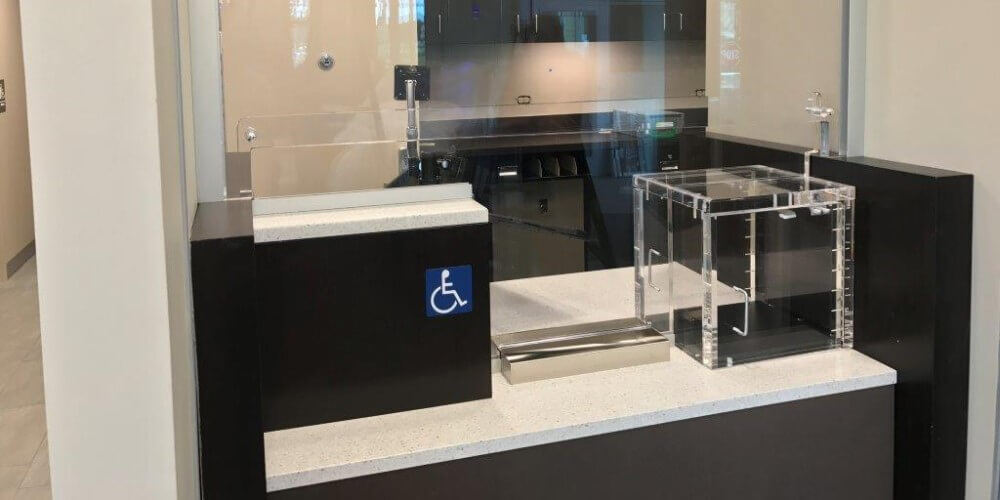
A barrier system is only as strong as its weakest point.
If your transaction window is bulletproof but prescriptions are being passed through an unprotected gap, the barrier isn't doing its job. Currency trays and package passers complete the system, allowing the safe exchange of prescriptions, payments, and documents without creating an opening in your protection.
We manufacture a full line of deal trays, currency trays, and package passers that integrate directly into the barrier system.
Every accessory is designed to maintain the ballistic rating of the system as a whole.
Bulletproof Doors: Securing Access to the Dispensing Area
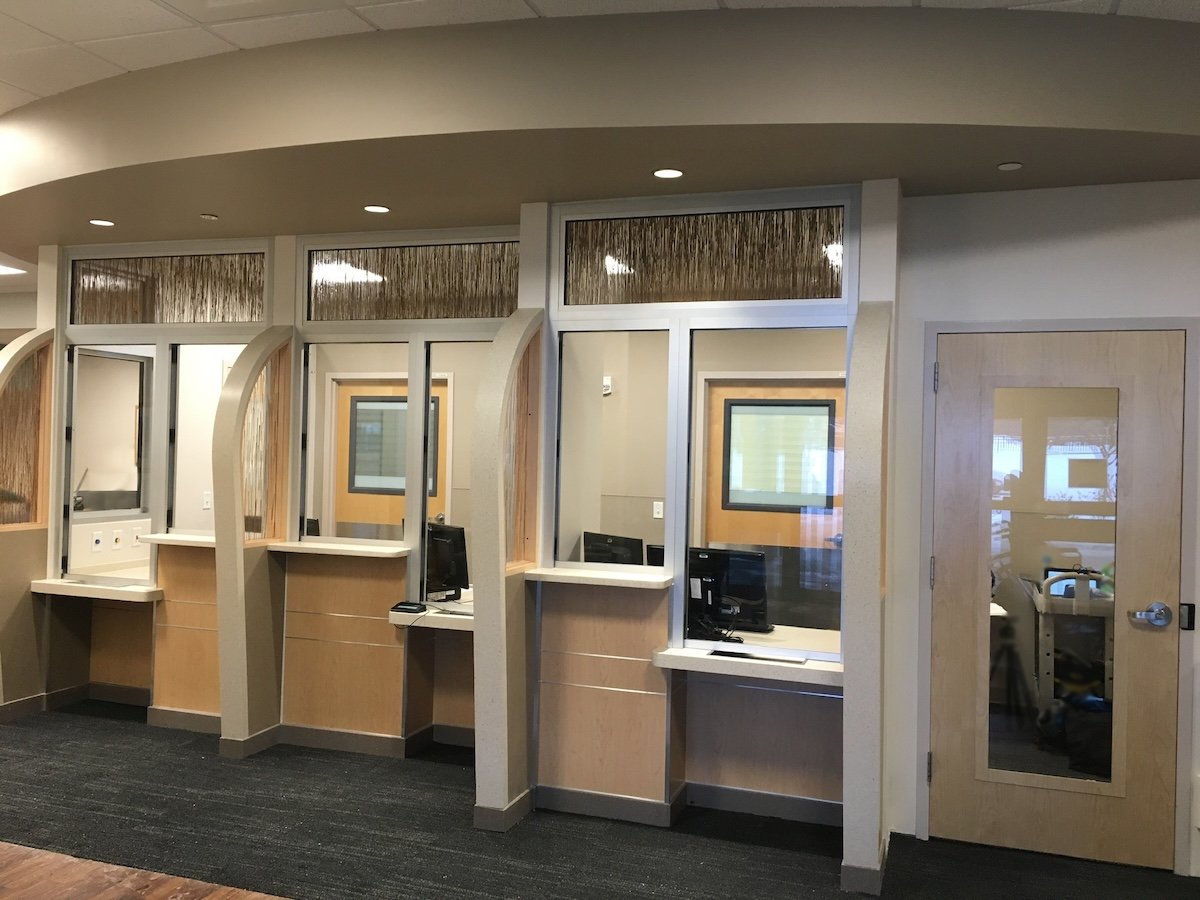
A barrier at the counter protects the transaction point, but the area behind that counter also needs to be secured and restricted to authorized staff.
In practice, this means a bullet-resistant door rated to the same protection level as the surrounding barrier system, combined with an electronic access control system that includes key cards or codes to prevent intruders from entering.
We offer a wide variety of ballistic doors in aluminum, wood, steel, glass, or acrylic, depending on your security needs and the design of your store.
Wood doors are common because they blend naturally into a retail setting yet can be designed to offer a level of protection as high as steel or aluminum.
Every door is custom-fabricated to fit your needs and integrate with any additional security features, such as access controls.
Drive-Thru Window Security for Pharmacies
Drive-thru pharmacy windows present a different set of security challenges than interior counters.
Staff are working in a semi-exposed position, with limited visibility of the vehicle and the individuals inside it. The physical separation that a drive-thru window provides is valuable, but only if the window itself is rated to stop a threat.
TSS typically upgrades drive-thru pharmacy windows with glass-clad polycarbonate bullet-resistant glazing specifically designed for exterior applications.
We can add electronic speaker systems and package passers to the system to simplify prescription handoff and communication, maintaining the efficiency customers expect while protecting your team.
For pharmacies planning new construction or a renovation, we can design and fabricate an exterior transaction window system from the ground up, rated to the appropriate UL 752 protection level for outdoor use and engineered to withstand the elements and keep out the cold.
Other Pharmacy Security Elements To Consider
A physical barrier system is the foundation of effective pharmacy security, but a complete security strategy often includes other features to prevent theft and alert people of an incident.
Alarm systems with silent alarms or panic buttons installed behind the counter give staff the ability to trigger a rapid response during a robbery without escalating the situation. They should be positioned so that any staff member can discreetly reach them.
Video surveillance systems with high-resolution cameras deter potential threats and provide documentation needed to support investigations when incidents do occur. The DEA specifically recommends high-definition cameras for pharmacy environments, noting image quality can be decisive in identifying suspects in documented burglary cases. Cameras should cover entrances, exits, the pharmacy counter, and medication storage areas — the highest-risk areas in the building.
Security personnel, whether on-site or through a professional monitoring company, adds a coordinated response that technology alone cannot replicate. A monitored alarm system with clear security protocols helps your team respond to an incident quickly.
Integrated pharmacy security systems that combine video surveillance, access control, and remote management allow pharmacy owners and managers to monitor their locations in real time, from anywhere.
We can design physical barriers to incorporate electronic elements so everything works together to protect your team.
Legal Compliance and Pharmacy Security Requirements
The Code of Federal Regulations 21-1301.71 and 1301.75 require any organization that handles controlled substances to develop and maintain reliable controls and procedures specifically designed to prevent theft and diversion.
Drugs classified as Schedule I, II, III, IV or V (indicating varying degrees of the potential for abuse) must be stored in a locked cabinet that is "substantially constructed."
Burglars have removed free-standing safes from pharmacies in previous incidents. To reduce the chance of robbery, some pharmacies have also installed time-delay safes that cannot open right away..
In a news report, CVS Health District Leader Nate Burrell said their stores saw a 70% reduction in robberies in Indianapolis, where they first introduced them. After rolling out the safes more broadly across the district, they've seen a 50% reduction in robberies overall.
HIPAA (45 CFR 164.530) adds another compliance requirement that pharmacy security measures must protect customers' Protected Health Information from unauthorized access.
That means physical security and data security are two dimensions of the same obligation. Physical barriers preventing people from gaining access to this data is one element, while regular cybersecurity audits and encrypted patient data systems are another side of it.
After-Hours Security
While a barrier system protects your staff during business hours, you also need to consider what precautions to take after hours, when burglaries are most likely to occur.
Rolling security shutters or gates that seal the pharmacy counter and windows are one of the most effective after-hours deterrents available.
Like the time-delay safes and the signs noting their use, they provide a visible, physical signal that forced entry will be difficult and time-consuming.
The DEA has specifically recommended this for pharmacies as a response to the rise in smash-and-grab style break-ins.
After-hours security strategies should also include alarm systems monitored 24/7 by a professional security company, high-resolution cameras covering the entire pharmacy area, and bolted safes for all controlled substances.
Silent alarms are preferred to audible ones because they don't alert the intruder that law enforcement is on the way, making it more likely for police to apprehend them.
Assessing Your Pharmacy's Security Vulnerabilities
Effective pharmacy security begins with an honest assessment of where your current measures fall short. Walk your pharmacy with fresh eyes, ideally with a security professional, and ask where the gaps are between the customer-facing area and your secured dispensing space.
Consider what an intruder would encounter if they entered your pharmacy today.
- Is there a physical barrier between the retail floor and your staff that has been tested to stop bullets?
- Are your medication storage areas locked and difficult to remove or destroy?
- Are your entry points, including access doors to the dispensing area — secured with access control systems?
- Do you have surveillance cameras in place?
Inviting local law enforcement or a security professional to conduct a risk assessment can help you identify gaps and develop a plan to address them.
Why Retail Pharmacy Owners Choose Total Security Solutions
Total Security Solutions has been designing and installing custom ballistic barrier systems for pharmacies, dispensaries, and healthcare facilities for more than 20 years.
With over 30,000 installations completed across the country, we bring a depth of experience to retail pharmacy security that generalized security providers can't match.
We plan, custom design, manufacture, and install every barrier system to meet your pharmacy's layout and operational needs. We also understand you can't afford extended downtime for installation. Because our team coordinates the entire project, you don't have to worry about unexpected change orders, last-minute modifications, or delays.
Our teams work efficiently and, when needed, schedule installation around your operating hours to minimize disruption to your staff and your customers.
The threat environment facing retail pharmacies is real, and it's growing. The good news is that the tools to address it are available, proven, and more accessible than many pharmacy owners realize. A custom ballistic barrier at the pharmacy counter, supported by transaction windows and secure doors, is the foundation for protecting your staff. Other elements like locked cabinets, time-delay safes and rolling shutters prevent thefts.
If you're planning to upgrade protection at your pharmacy and want to learn more about your options, contact a ballistic expert today.